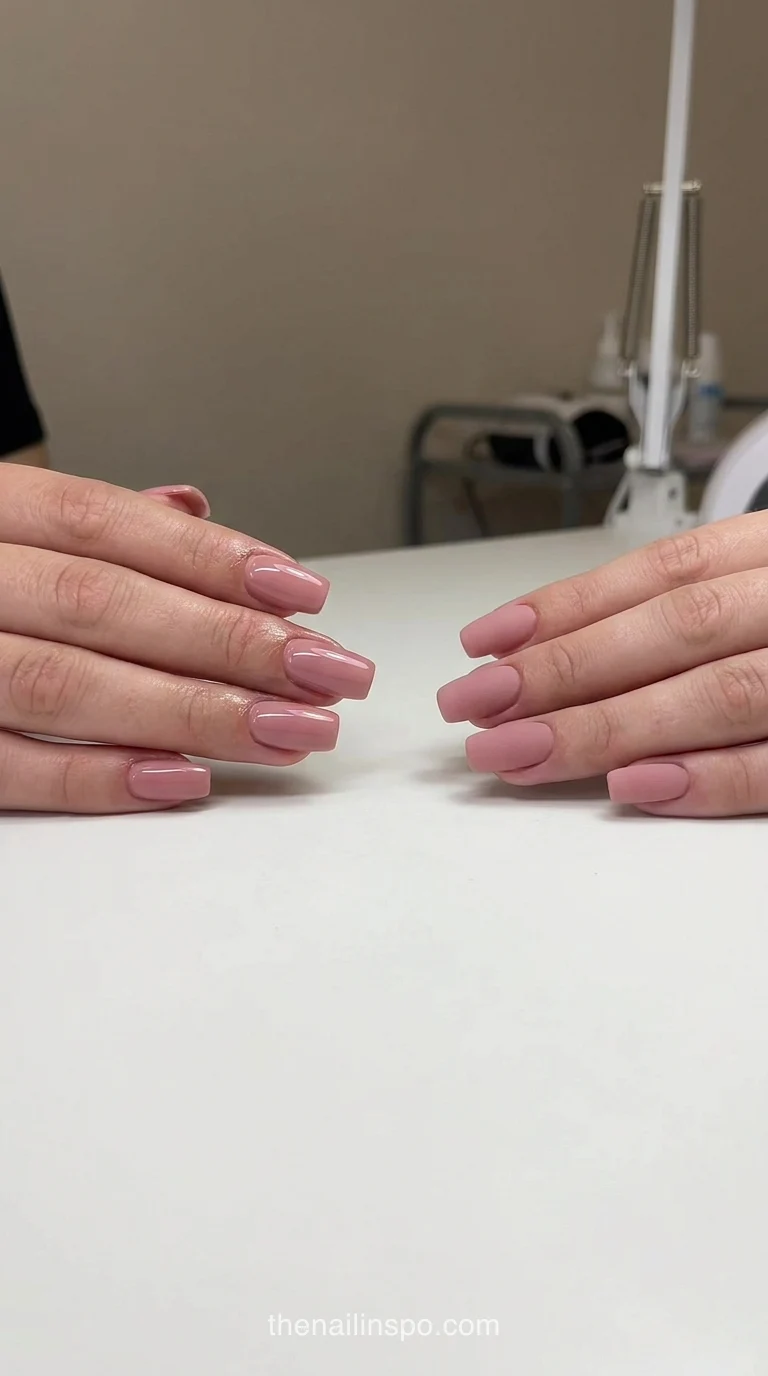
Dip powder vs gel polish isn’t the one-sided fight most comparison pieces make it. Under OPI’s current product claims, gel is the one promising longer wear, and the real gap between the two comes down to the product, the lamp, the build thickness and how much your natural nail bends. I’m Sophia Beed, a senior nail technician and educator with more than nine years in London salons, and I’d rather compare named systems and their published specs than repeat category myths.
Key takeaways- Compare durability by named system, not by the words “dip” or “gel” alone.
- Early gel lifting usually points to a cure or lamp problem.
- Early dip cracking usually points to a thin build or a nail plate that bends.
- If your nails flex when you press the tip, gel is the safer bet for wear.
- Dip’s salon premium buys a harder feel, not guaranteed extra weeks.
Dip Powder vs Gel Polish: Which Actually Lasts Longer?
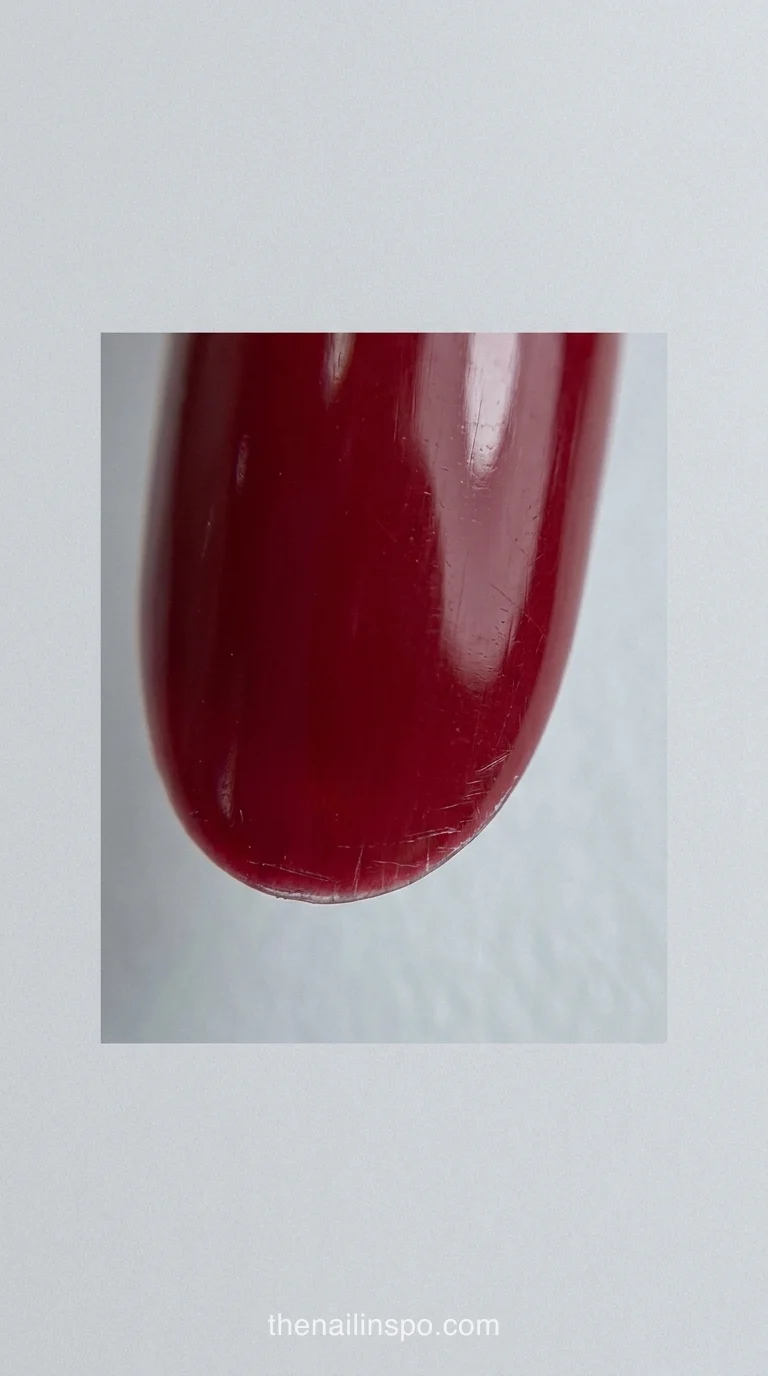
On OPI’s current claims, gel does. OPI rates GelColor at three weeks of wear and Powder Perfection at two-plus weeks, which flips the old belief that dip always wins. That’s one brand’s label figure, though, and either system can beat it or fall short depending on how it’s built and what it’s built on.
So here’s my position, and plenty of dip loyalists won’t like it: anyone telling you one category lasts longer, full stop, is repeating a cliché the market leader’s own labels no longer support. Ask which product, which lamp, how thick and on what kind of nail.
Specs here come from OPI’s and SNS’s published product information as of this update. The failure patterns are ones techs and wearers report repeatedly, and where something’s my opinion, I say so.
How Long Does Dip Powder Last in Real Wear?
A properly built dip set should get close to its brand’s wear figure, with the tips usually showing wear first. I read any wear claim as a ceiling for a correct build on a cooperative nail, not an average. Hands that type all day or open cans with a thumbnail pull that number down, and so does extra length, because a long tip acts like a lever on a coating with little give.
SNS vs Gel: Does the Brand Change the Answer?
It does, and that’s why “SNS vs gel” is a slightly broken comparison: it pits one dip brand against an entire category. SNS lists its dip service at 45 to 55 minutes, and each brand formulates its base, activator and top coat to work as a set. Swap in one bottle from another line and the label’s claim no longer applies.
 Read NextWhy Do Acrylic Nails Lift? 6 Secrets to Stop It Now
Dip vs Gel Nails Compared Using Real OPI Product Claims
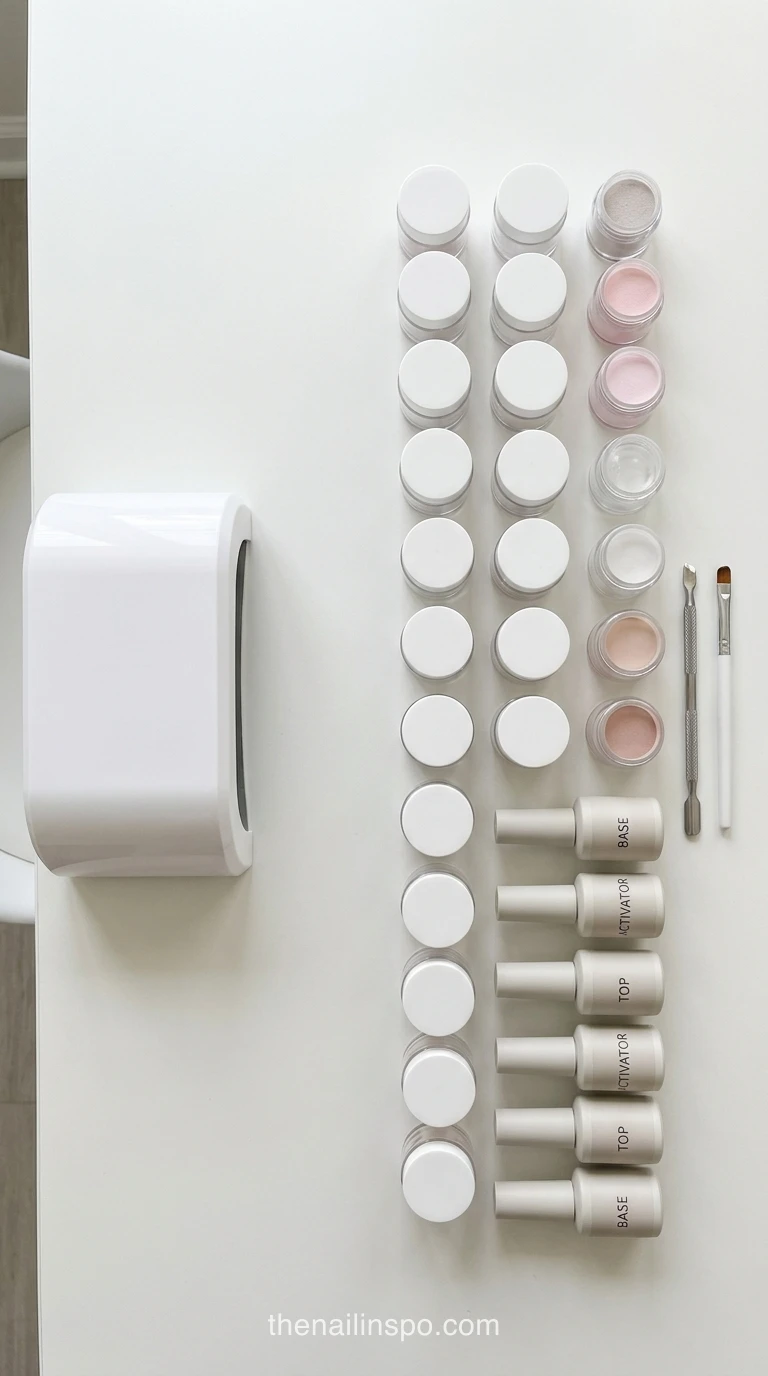
Side by side, the two fail in opposite ways. Gel is the more flexible coating but lives or dies on the lamp, while dip needs no lamp but lives or dies on thickness.
| Factor | OPI GelColor (salon gel) | OPI Powder Perfection (dip) | Verdict |
|---|---|---|---|
| How it hardens | Each layer is light-cured in the lamp OPI specifies. | Powder is set chemically by activator, with no lamp involved. | Dip, if you have no access to the matching lamp. |
| Most common early failure | Lifting, usually at the cuticle area or sidewalls. | Cracks, usually across the stress area of the nail. | Gel fails gradually; a dip crack arrives all at once. |
| Fit on a bendy nail plate | Has some give and moves with the nail. | Rigid, so the nail’s flex goes straight into the coating. | Gel is the better match for flexible nails. |
| Removal | Top coat is broken, then the gel is soaked off. | Top coats are filed away, then a typically longer acetone soak. | Gel, if a quicker removal matters to you. |
The row I’d weigh most is the bendy nail plate. A tech can fix timing and thickness with practice, but nobody can change how a client’s nail plate bends.
OPI GelColor’s Three-Week Wear Claim
OPI GelColor’s claim rests on a strict cure schedule: 30 seconds for the base, 30 for each of two color coats and 30 for the top coat, in the professional lamp OPI specifies. That’s four cures per nail, and I don’t like salons treating any LED lamp as interchangeable. Shorten any single cure and every layer above it sits on something softer than the system was designed for.
Powder Perfection and the 2+ Week Claim
OPI Powder Perfection gets its wear from layering, not from any single coat. The system calls for two powder applications, activator before and after shaping, then two top coats. The first activator hardens the build so it can be filed, and the second treats the freshly filed surface before the top coats go on.
Dip vs Gel Cost and Appointment Length
Dip usually costs more for about the same chair time. Professional gel and dip services both run roughly 45 minutes, yet one US salon prices gel at USD 45 cash and dip at USD 58 cash, a USD 13 premium. One salon isn’t a national average.
Market matters more than system: a New york gel manicure currently runs about US 25$, within a listed USD 32$ to 55$ range.
Sophia Beed’s note: Before paying a dip premium for durability, press the tip of one nail. If it bends easily, you’d be paying extra for the coating most likely to crack on it.
Why Nail Flexibility Matters More Than Dip or Gel Labels
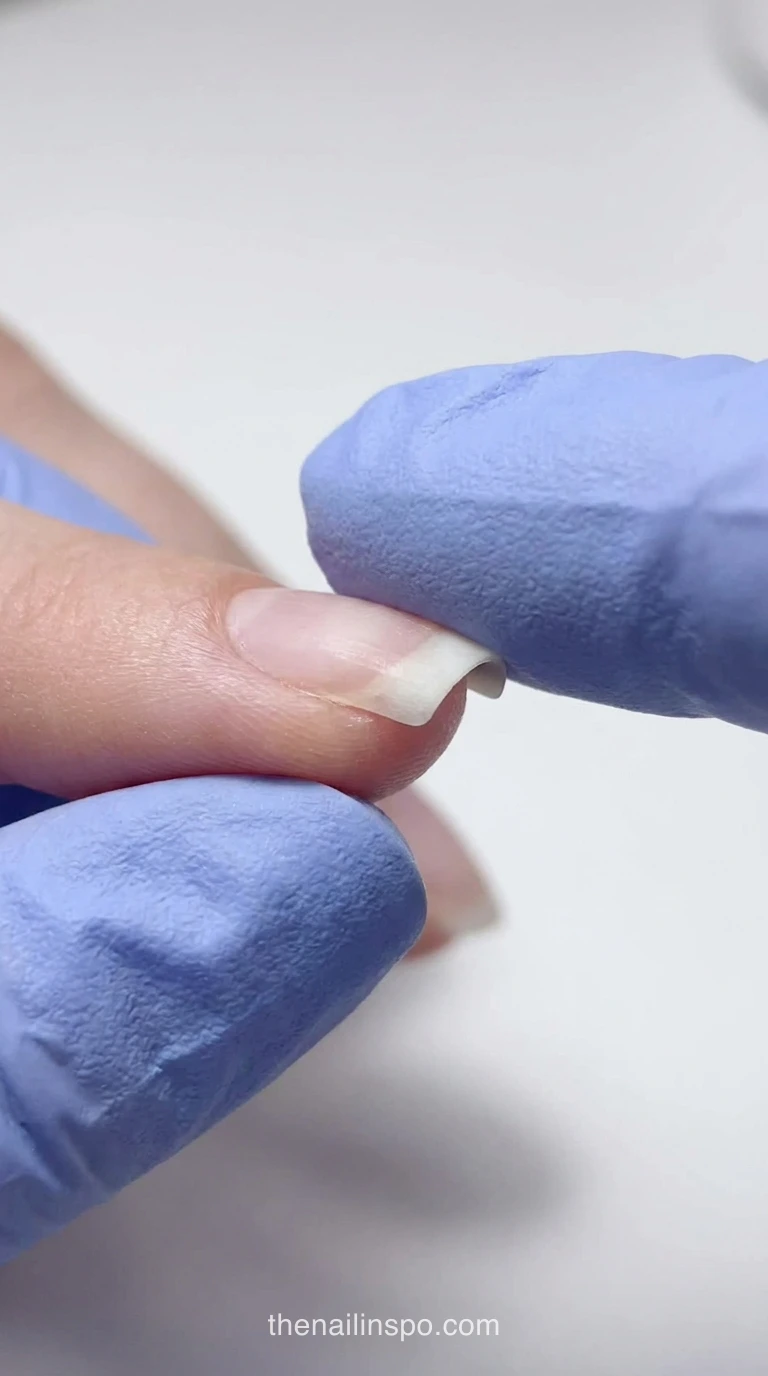
A coating only lasts as long as it survives the nail underneath it. A hard coating on a soft, bendy plate takes that stress at its weakest point every time the nail flexes. Gel has some give. Dip has very little. That mismatch explains more early failures than brand or price.
Dip Nails Cracking on Thin, Bendy Nails
Dip nails cracking early usually trace back to a build that’s too thin over the stress area, a rigid dip layer on a nail that flexes, or both together. Techs and wearers report this combination constantly, with the crack running across the stress area. More top coat won’t fix it. A properly placed apex will, or a switch to gel.
Gel Polish Lifting: Where It Usually Starts
Gel polish lifting usually starts at the cuticle area or the sidewalls, where product is thinnest and leftover prep residue is most likely to sit. An under-cured base makes it worse, because a soft first layer can’t anchor the color above it. Same spot every time? I’d check prep and cure before blaming the polish.
Is Dip or Gel Better for Weak Nails?
For thin, bendy nails, I’d choose gel, and I know plenty of dip fans will argue. If your nails are thin but stiff, well-built dip is fine. If they bend when you press the free edge, book gel.
This is about wear, not nail health, and it doesn’t apply to nail conditions under a doctor’s care.
 Read NextHard Gel vs Acrylic: Which One Is Best for You?
Dip Powder Application Steps That Prevent Thin Architecture
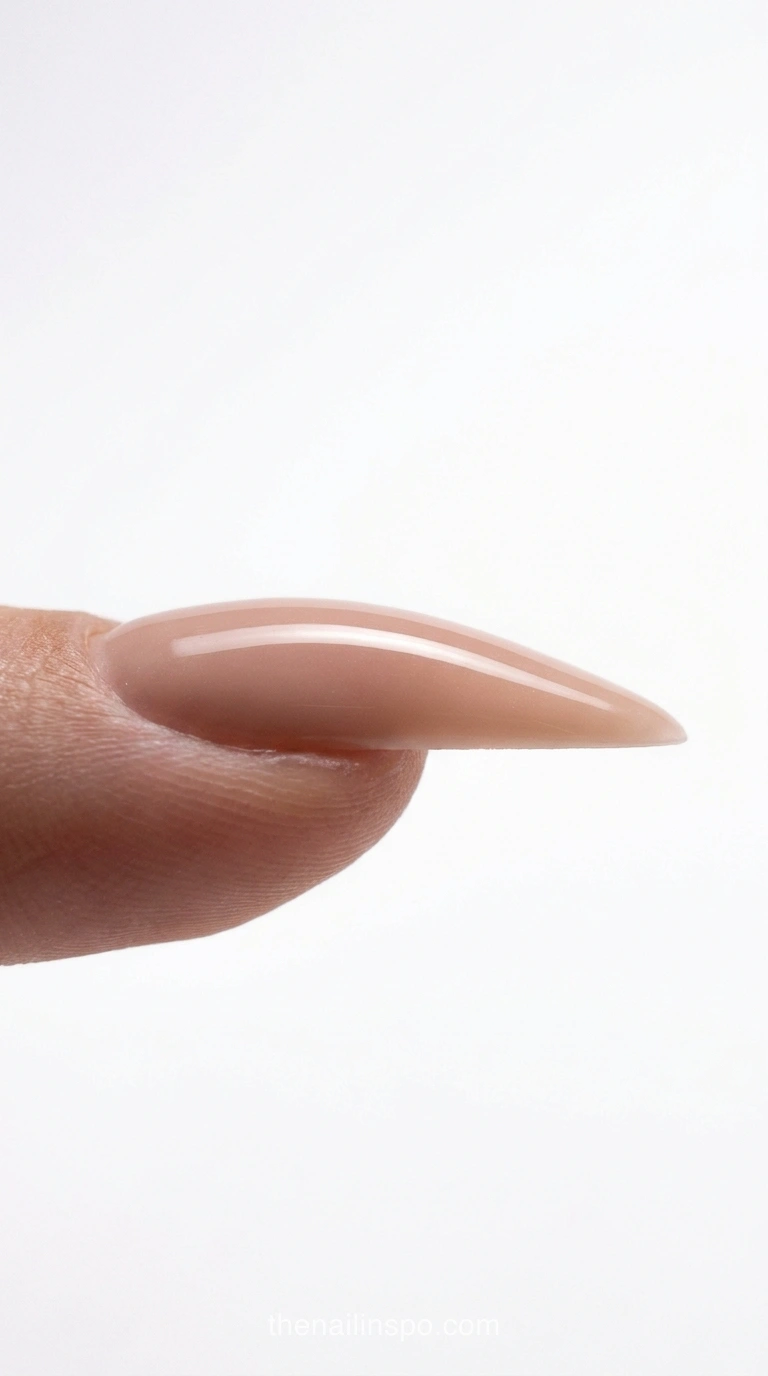
A dip set lasts when the powder is thickest where the nail bends and thinner where it doesn’t. These five steps follow OPI’s dip architecture, plus apex placement over the stress area. Wait times come from your own bottles.
Step 1: Prep and dehydrate the nail plate
Push back the cuticle, clear any cuticle tissue from the plate, buff off the shine, then dehydrate. Residue left on the plate weakens adhesion at the cuticle, where dip is thinnest.
Step 2: Apply base and the first powder dip
Brush base onto the nail, leaving a small gap at the cuticle and sidewalls, then dip at an angle and tap off the excess. This first layer is coverage, not structure.
Step 3: Build the apex with the second dip
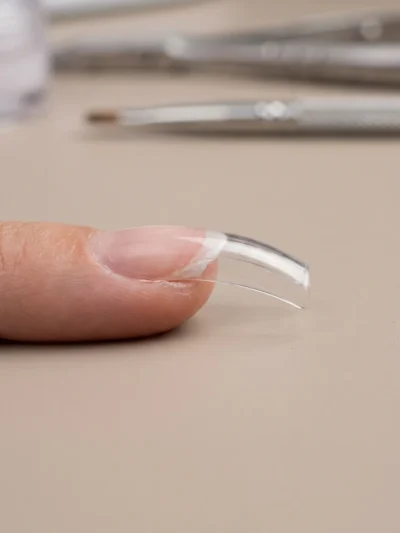
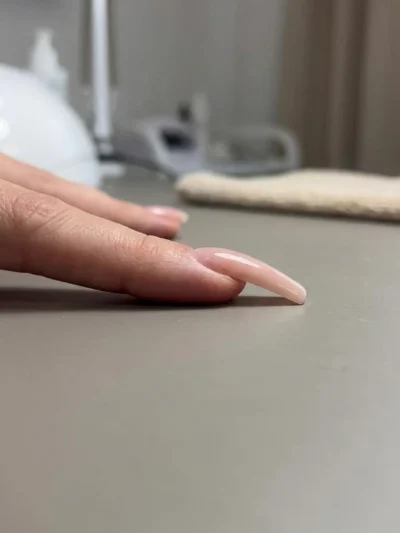
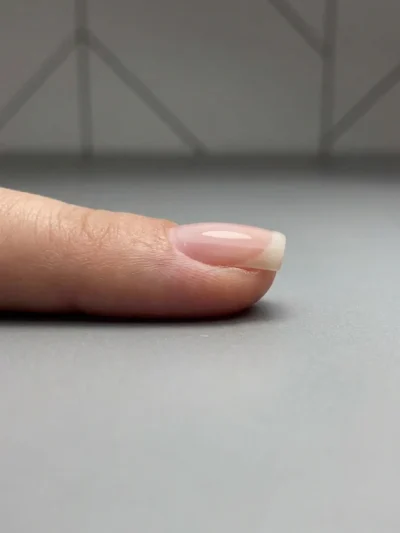
Apply base again, slightly heavier over the stress area where the free edge leaves the nail bed, then dip a second time. Check the side profile: you want a gentle rise toward that zone, not a flat line.
Step 4: Activate, shape, then activate again
Brush on activator and wait the time on the bottle, then file the shape and refine the apex without thinning the stress area. Apply activator a second time to the filed surface.
Step 5: Seal with two top coats
Apply the first top coat, let it dry as directed, then apply the second. Cap the free edge with each coat, since that’s where wear shows first.
Gel Cure Time Is System-Specific, Not Universal
Gel cure time belongs to a specific product and lamp pairing, not to gel in general. OPI’s at-home gel system calls for 60-second cures with thumbs cured separately, a different schedule from its salon line. Carry one system’s timing into another and you’re guessing.
Sophia Beed’s note: Switching between salon and at-home gel? Read the cure line on each bottle. Curing thumbs separately isn’t fussiness: it lets the thumb lie flat under the light.
Dip Application Mistakes I See Most Often
Most early dip failures are build mistakes, not product faults. Skipping the second powder application to save time leaves the set thin from the start. Filing the apex flat while shaping removes the structure you just built. And flooding the cuticle with base leaves a ledge that lifts.
Recommended for you- How to remove dip nails at home without thinning them: the soak-off routine once your set grows out.
- Choosing an e-file for dip powder: bits and speeds for a harder coating.
Dip and Gel Durability Questions My Clients Actually Ask
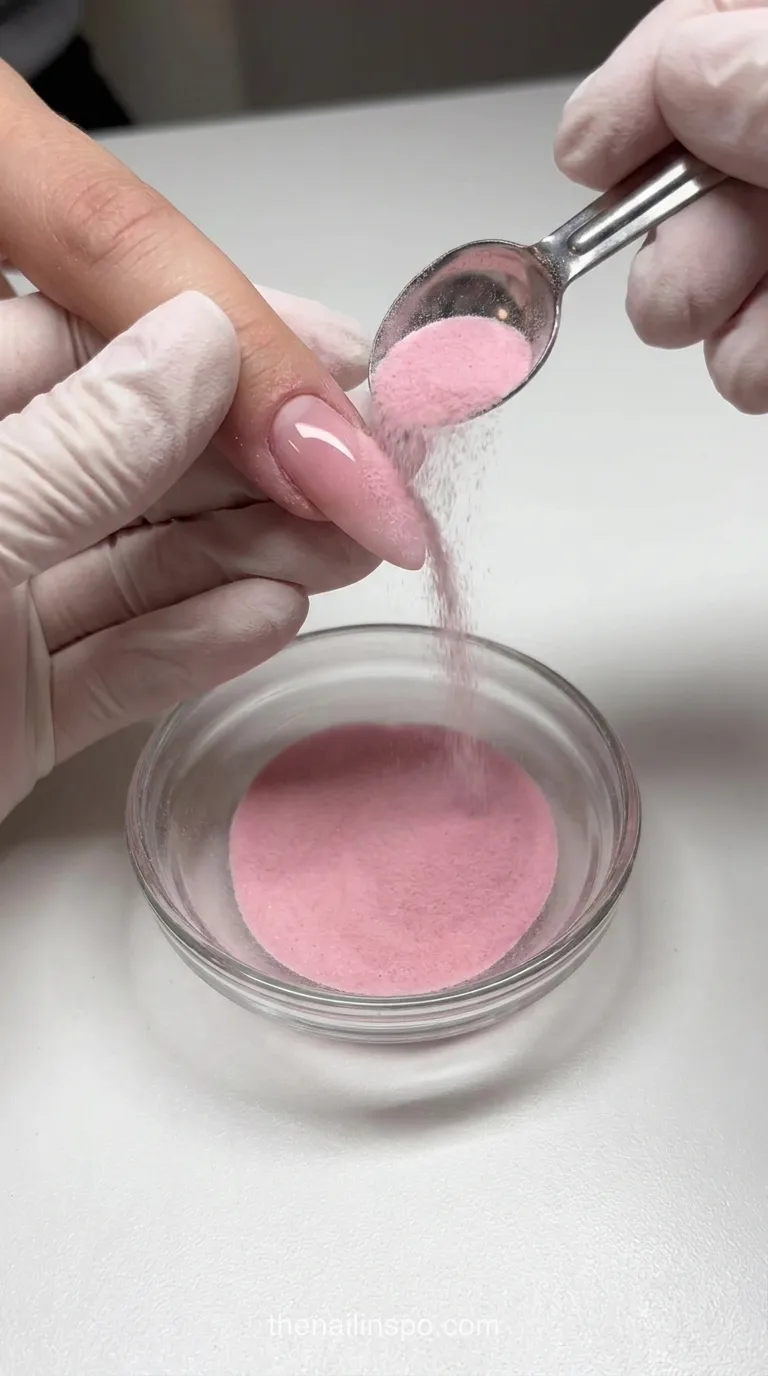
Does dip or gel removal do more damage to natural nails?
Removal damage usually comes from technique, not product: peeling or over-filing either system thins the natural nail. Both soak off in acetone, but dip generally needs more filing first because of its double top coat. If you’re doing it yourself, follow an at-home dip removal guide rather than picking it off.
Can you switch from dip to gel between appointments?
Yes. Remove the dip set fully, then prep the plate fresh before gel goes on, since leftover dip residue gives the gel base nothing clean to grip. Wearing each for one full cycle is also the simplest way to see which suits your nails.
Is dipping into a shared powder jar hygienic?
It’s a fair concern, and it’s the part of dip I like least: dipping several clients into one jar means they share the powder. Many salons now pour powder over the nail from a separate container or portion it per client. If yours dips straight into a communal jar, ask for the pour-over method.
Should dip powder be shaped with an e-file?
It can be, and an e-file makes refining the apex and thinning top coats before removal faster. The risk is friction heat and over-filing on a hard dip surface, so keep the file moving. This guide to choosing an e-file for dip powder covers bits and settings.
Your next set is the cheapest test you’ll get. Ask which product line and lamp the salon uses, press the tip of one nail to see if it bends, then note the day and spot of the first failure. Take that note to your next appointment. A good tech will change the system or the build because of it, and one who shrugs it off is telling you something too.
Comments (0)
No comments yet. Leave a thought below!