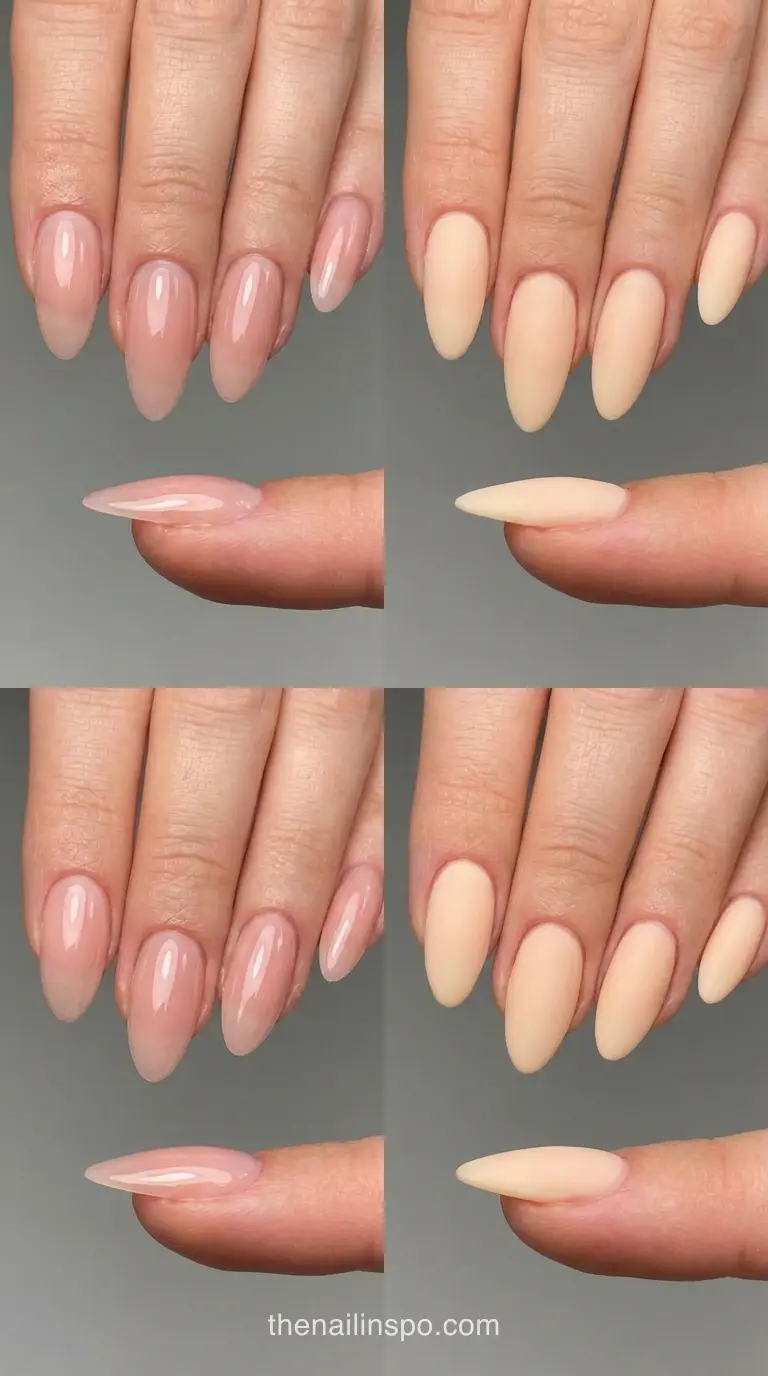
Hard gel vs acrylic wear time is closer than most salons admit. Both systems typically hold 3 to 5 weeks when you keep up with infills every 2 to 3 weeks, so the calendar won’t pick your winner. The real split is in how each one fails. Hard gel is non-porous and handles wet work better, while acrylic takes impact better at extreme lengths. Removal is where they diverge hardest, because hard gel comes off by filing only. I’m Sophia Beed, a senior nail technician with 9+ years of salon work in London, and this is how I’d choose between them.
Key takeaways- Hard gel and acrylic both typically last 3 to 5 weeks when infills happen every 2 to 3 weeks.
- Hard gel is non-porous, so it handles wet work better than acrylic.
- Acrylic has the edge on impact resistance for extreme lengths.
- Hard gel comes off by filing only, taking 30 to 45 minutes, while traditional EMA acrylic can be soaked off in 20 to 30 minutes.
- Builder gel tops out at 2 to 3 mm of extension past the free edge, so longer extensions need sculpted hard gel or acrylic on forms.
Hard Gel vs Acrylic: How Long Do Hard Gel Nails Last?
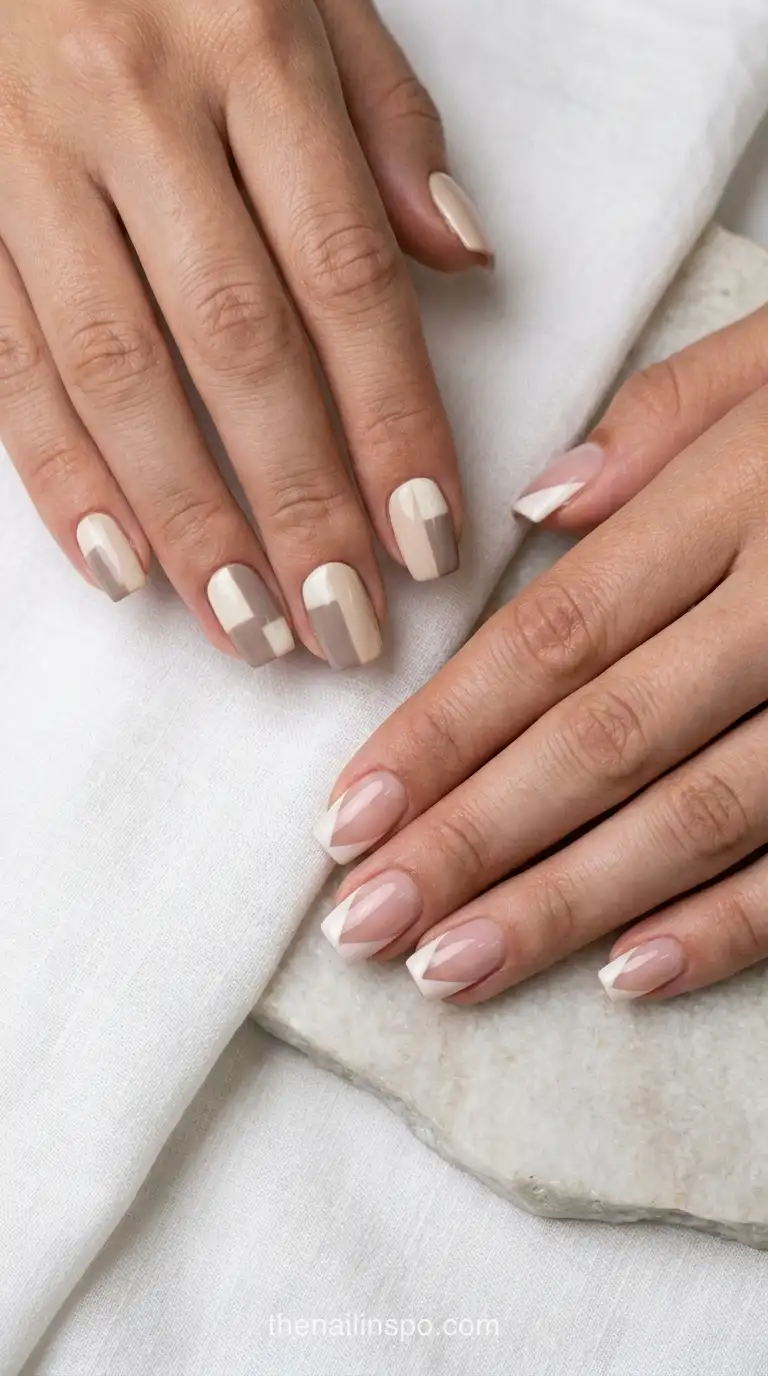
Expect 3 to 5 weeks from either system. The wear window matches, but the failure patterns don’t. Hard gel tends to fail from prep problems, while acrylic is more vulnerable to water. Acrylic also holds up better to impact on long sets.
Both systems run on the same maintenance clock. You’re looking at an infill every 2 to 3 weeks, and a set that makes it to week five on either product usually means the infill slipped, not that the product gave out. That’s the part most comparison pages skip.
Hard Gel Infill Timing Every 2 to 3 Weeks
Both systems need an infill every 2 to 3 weeks. Each rebuild resets the structure, so a 3 to 5 week wear is really the time between full sets. Let the infill slide past that window and you’ll usually see lifting at the free edge first. If your growth is fast, book at the two week mark.
Hard Gel Wear Time for Beginners
Technicians commonly report that early lifting comes from prep, not the product. Fix prep first, then judge the gel.
 Read NextWhy Do Acrylic Nails Lift? 6 Secrets to Stop It Now
Acrylic Nail Wear Time Across the Full Cycle
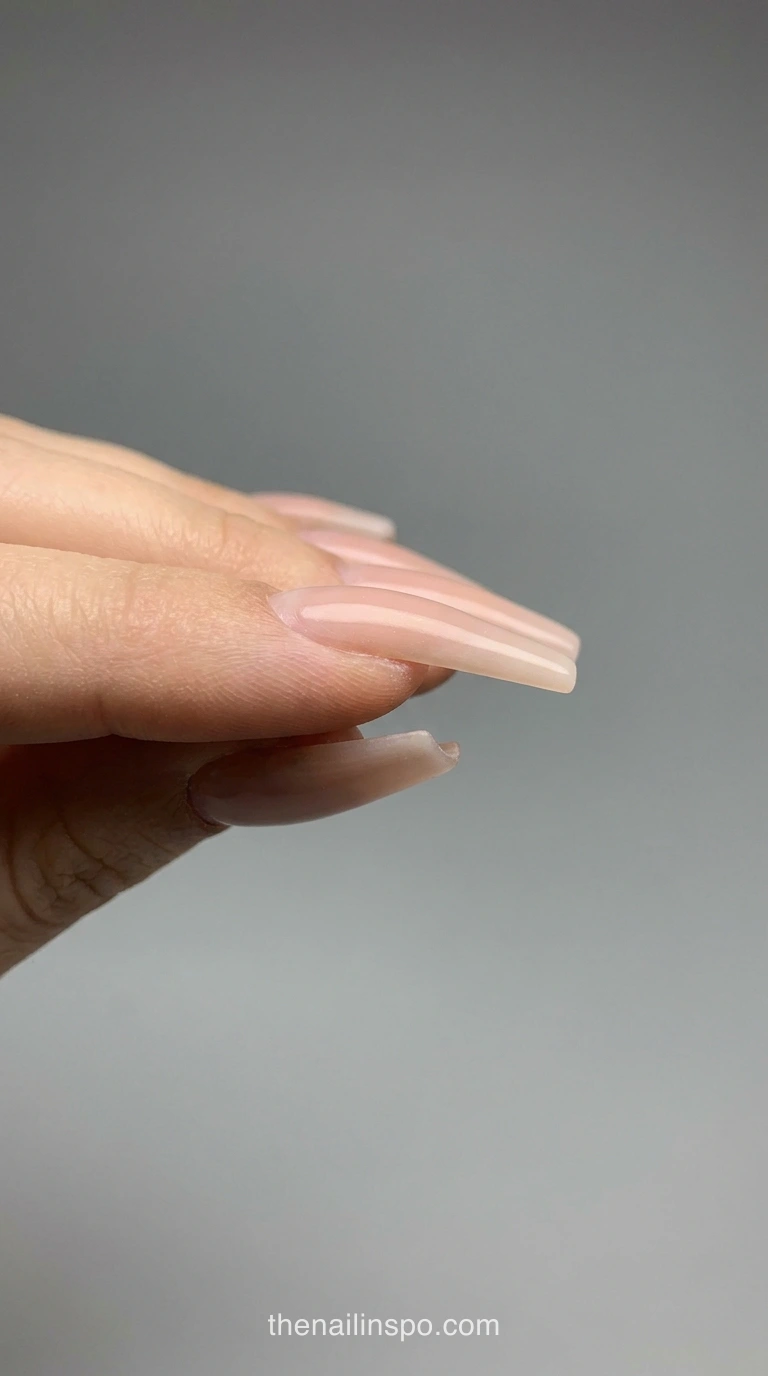
Acrylic nail wear time runs 3 to 5 weeks, the same window as hard gel. Where it wins is impact on extreme lengths. Where it loses is water, because acrylic is more porous and takes on moisture faster. Read the table below as a set of trade-offs, not a scoreboard.
| Factor | Hard gel | Acrylic | Verdict |
|---|---|---|---|
| Typical wear window | Holds 3 to 5 weeks with infills every 2 to 3 weeks. | Holds 3 to 5 weeks on the same infill schedule. | Tie. Decide on the other rows. |
| Water exposure | Non-porous, so it handles wet work and high-water routines better. | More porous, so it takes on more water and is more vulnerable in wet conditions. | Hard gel wins for daily wet work. |
| Impact on extreme lengths | Solid at everyday lengths, with less impact resistance past the limit. | Superior impact resistance on extreme lengths. | Acrylic wins for length. |
| Removal | File-off only, usually 30 to 45 minutes. | Filed down, then soaked in acetone for 20 to 30 minutes. | Acrylic if you change sets often. |
Water and length are the two rows I’d weigh most. If your hands sit in water all day, the other rows matter less. If you’re chasing long, sculpted lengths, impact decides the question, and that’s where acrylic earns its place.
Builder Gel Length Limits Explained
Builder gel, often called BIAB, hits a hard ceiling at 2 to 3 mm of extension past the free edge. Past 3 mm, sculpted hard gel or acrylic on forms is the answer. That’s an engineering limit, not a style preference, so don’t push it to save a session.
Full-Set Salon Cost in 2026 Compared
Full sets at US specialty studios run $90 to $110 USD, taking 120 to 180 minutes depending on length. Standard salons charge $55 to $60 USD. Premier UK salons charge £80 to £138 GBP for 120 to 125 minutes. These are full-set prices, not a split by system, so they won’t tell you which product costs more per set. Confirm with your studio before you budget.
Hard Gel Prep That Prevents Nail Lifting
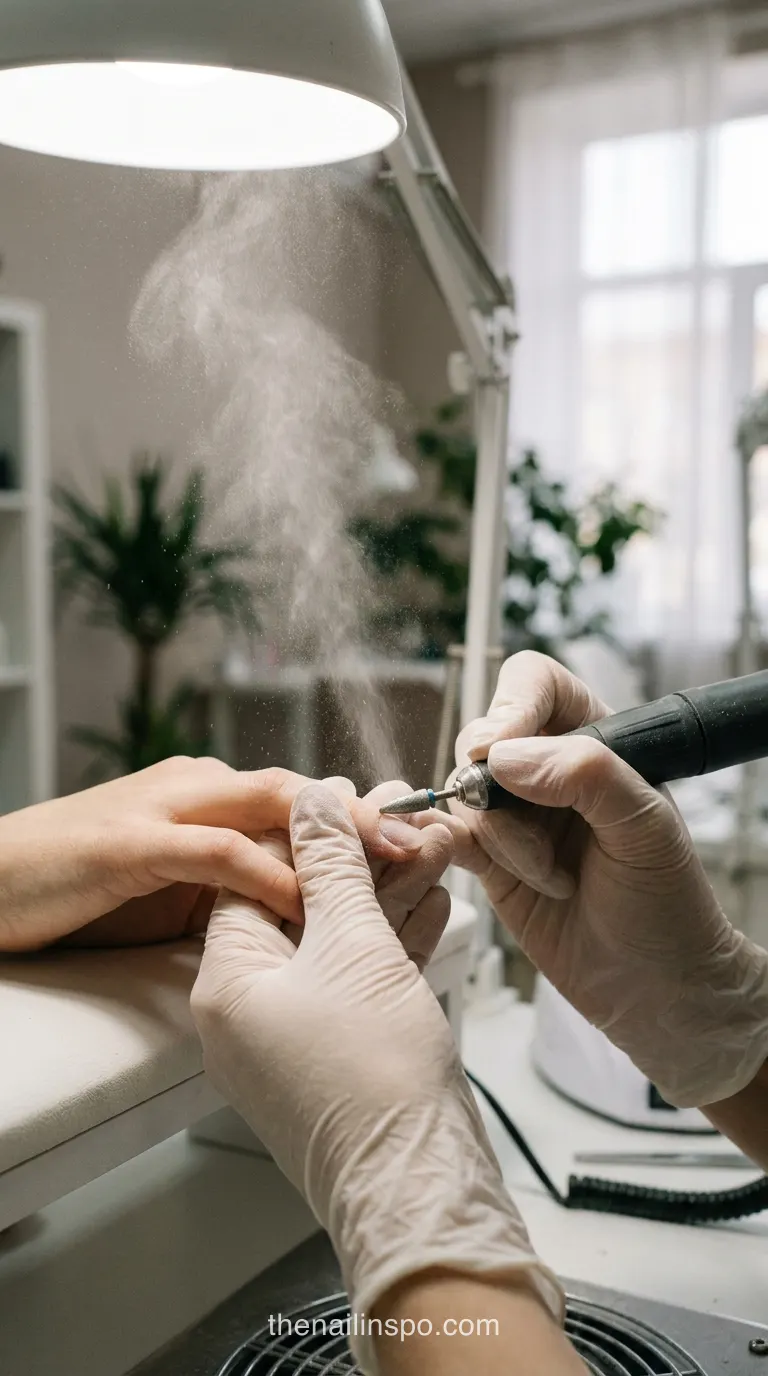
Technicians consistently report that most nail lifting starts at prep, not the product. Dehydrate the plate with 90% or higher isopropyl alcohol, dry-file, scrub in a flexible rubber base, then build the rigid tip.
Rigid hard gel doesn’t flex, so stress at the bond line has nowhere to go. A flexible base absorbs some of it, which is why the pairing works.
- Dehydrate the plate. Wipe the nail with 90% or higher isopropyl alcohol and let it dry fully before anything else.
- Dry-file the surface. Remove shine with a dry e-file and keep the free edge clean. Don’t thin the natural plate here.
- Scrub in the rubber base. Work a flexible rubber base into the nail, then cure it for 60 seconds.
- Build the rigid tip. Apply the hard gel and cure until fully set, not just a skin on top.
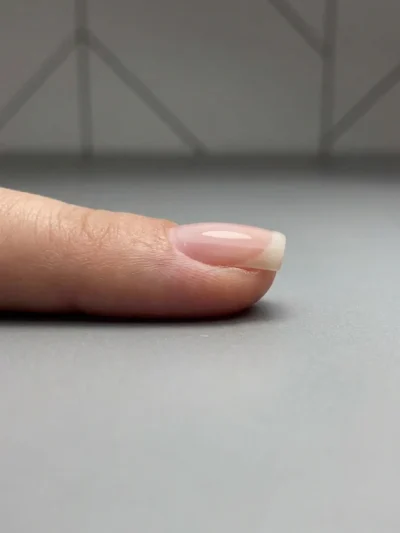
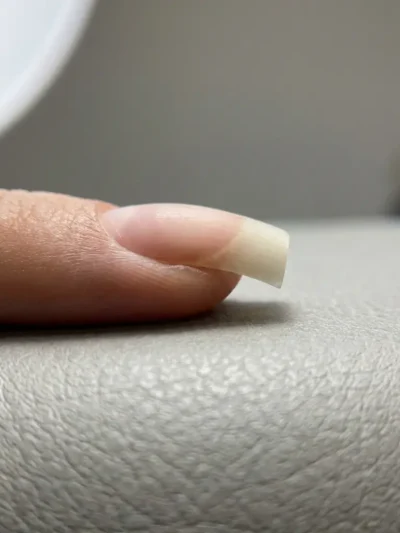
- Underfile the exposed plate. After curing, underfile the natural nail under the free edge so water swelling can’t curl it away from the tip.
Sophia Beed’s note: I’d do step five every time, not only when the set looks thick. Underfiling is cheap insurance against the curl that shows up later.
Hard Gel Extensions Need Dry Prep
Hard gel extensions fail at the seam where the tip meets the natural plate. Technicians report that wet or oily prep is the usual cause. Dry prep with alcohol is what makes that bond hold.
Stopping Cuticle Delamination at Day 7
Cuticle delamination usually shows up around day seven, when the bond lets go along the cuticle line. Technicians report that scrubbing in the rubber base and keeping prep dry stops it.
 Read NextNail Apex Placement: 6 Best Steps for the Perfect Set
Gel Nail Removal: Why Hard Gel Won’t Soak Off
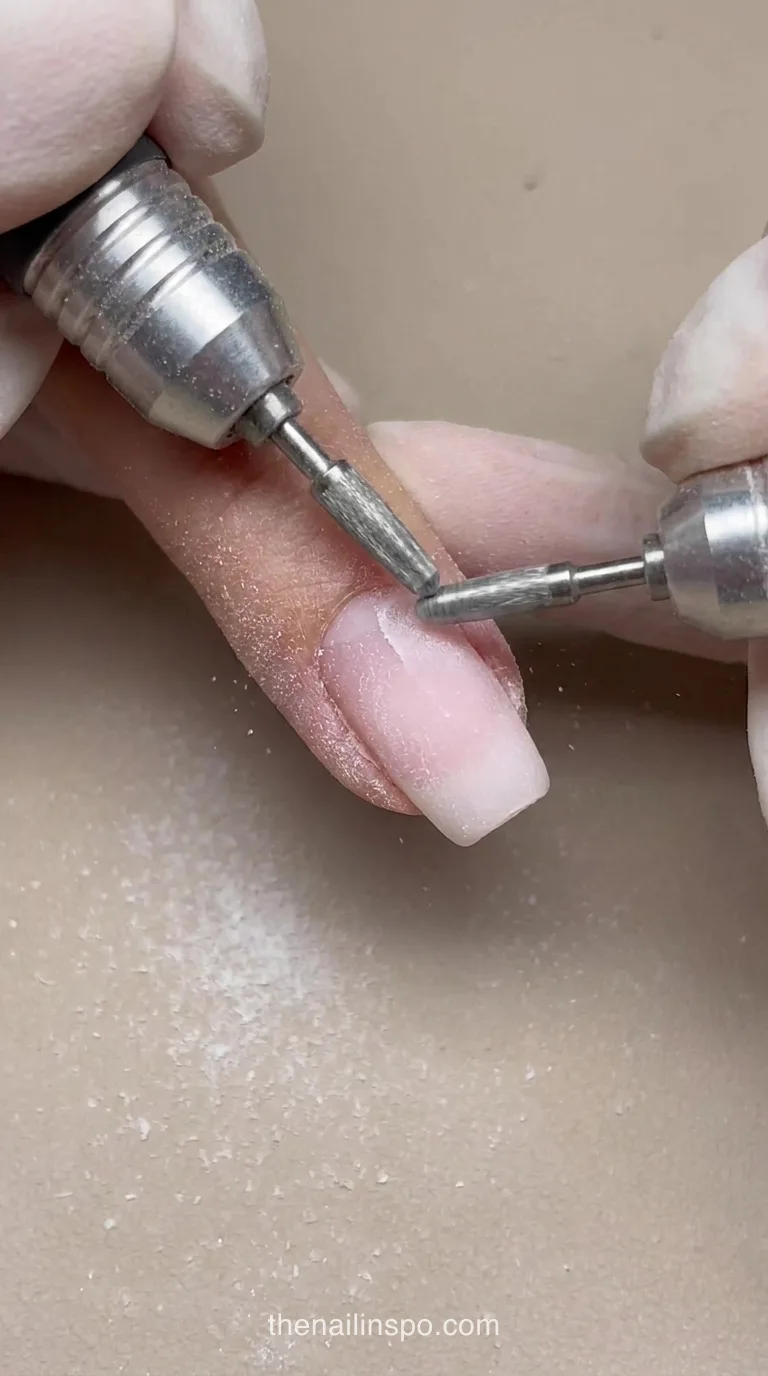
Hard gel won’t soak off because its cross-linked network doesn’t let acetone break it down in any practical soak. Removal means careful filing, usually 30 to 45 minutes. Traditional EMA acrylic can be filed down and soaked in 20 to 30 minutes.
Most of the confusion comes from soft soak-off gel polish, which dissolves in acetone in 10 to 15 minutes. Hard gel isn’t that material. I’d rather see a slow file-off than a rushed one.
Sophia Beed’s note: If a studio quotes a 15-minute acetone soak for hard gel, ask what they’re actually soaking. A tech who can’t explain their removal method has a bigger problem than the price.
EMA Acrylic Soak-Off Times Explained
Traditional EMA acrylic can be filed down, then soaked off in acetone in 20 to 30 minutes. That’s quicker than filing alone, and it’s the main reason some people stick with acrylic when they change sets often.
Hard Gel File-Off Time: 30 to 45 Minutes
Plan on 30 to 45 minutes of careful filing per set. Removal typically runs $20 USD or £25 to £28 GBP at the studios I’ve priced, so budget for it when you book.
 Read NextCan You Have Short Acrylic Nails? 7 Best 2026 Tips!
TPO Photoinitiator Ban Changes Lamp Requirements
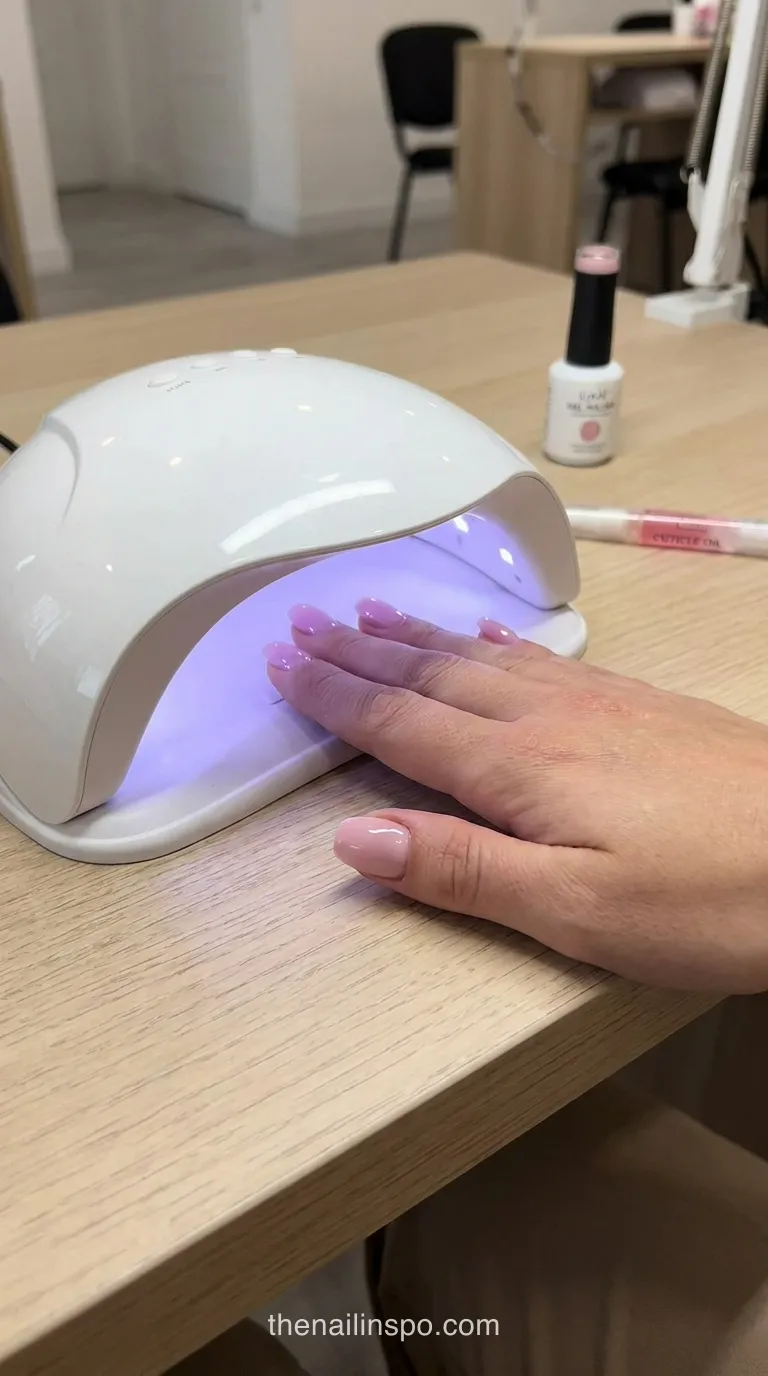
TPO is no longer permitted in professional nail gels in the EU and EEA under Regulation (EU) 2025/877, which took effect September 1, 2025 with no sell-through period. Replacement photoinitiators like TPO-L absorb LED light less efficiently, so your lamp now matters more. Check the official text for exact dates, since rules like this get amended.
I’m less certain about UK timing, so check it separately before you plan around it.
Matched Lamps for Dual-Wavelength Cure
Look for a lamp that emits both 365 nm and 395 or 405 nm at 36 W or higher. A mismatched lamp is a plausible cause of early lifting, so test your lamp before you blame the gel.
Is Hard Gel Better Than Acrylic? Your Questions Answered
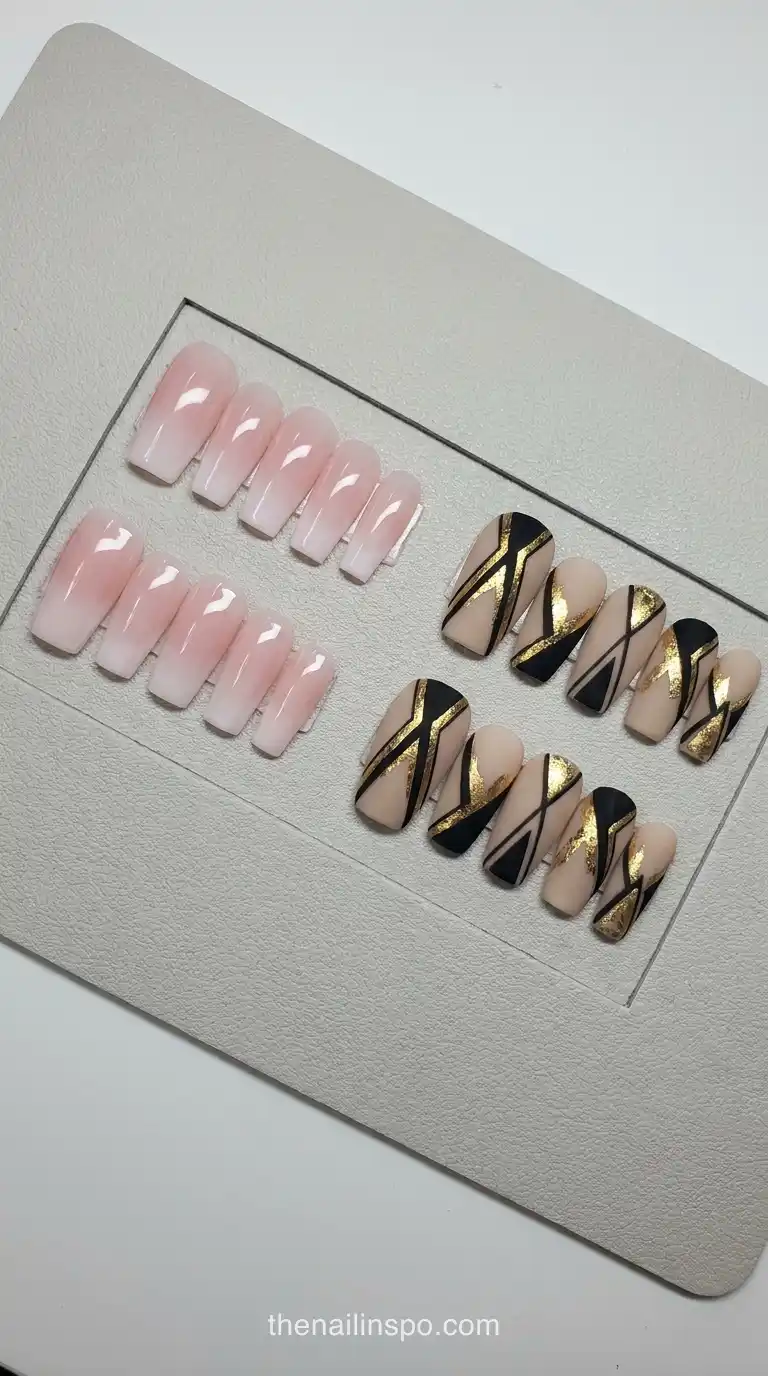
Neither is better across the board. If you do daily wet work or want everyday lengths, hard gel is the better call. If you need extreme length or maximum impact resistance, acrylic wins.
My verdict: hard gel for most people with everyday lengths who spend time in water. I’d pick acrylic for extreme sculpted lengths and for anyone who changes sets often. Builder gel is the honest middle option for light extensions, and I wouldn’t push it past 3 mm. This doesn’t hold if your tech’s prep is weak, because prep matters more than either system.
Recommended for you- nail apex placement guide: apex position decides how stress travels through either system.
- short acrylic nails guide: acrylic’s benefits without going to extreme length.
- pincer nails guide: useful if your natural plate curves too much for either system to sit flat.
What should I ask my tech before booking hard gel?
Ask which photoinitiator and lamp they use, whether removal is file-off or soak-off, and how often they recommend infills. Their answers tell you more about the quality of the set than the price list does. If they can’t answer the lamp question, that’s useful information too.
Can you switch from acrylic to hard gel in one appointment?
Often, yes, but only if the tech files the acrylic down completely first. Residue left under a new layer weakens the bond, and that bond carries the whole set. If a tech skips the full file-down to save time, I’d book somewhere else.
Is hard gel safe for sensitive skin?
I can’t give medical advice, so treat this as general information. Many hard gels and acrylics are methacrylate-based, and methacrylates are known sensitizers for some people. If you’ve reacted to a nail product before, patch-test with your tech and talk to a doctor before your appointment.
Your next appointment is the cheapest test you’ll get. If something lifts, log the day and whether the infill came early or late before you blame the product
Comments (0)
No comments yet. Leave a thought below!