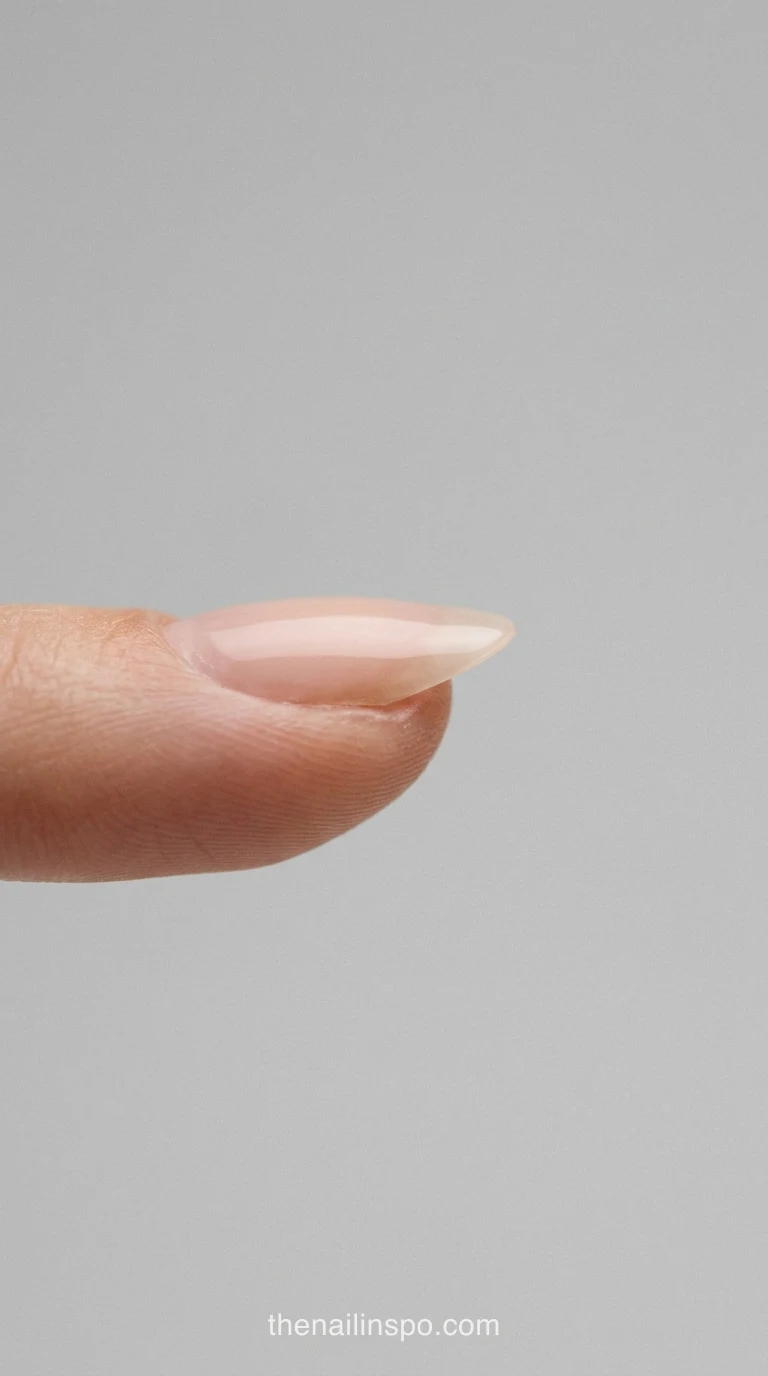
Dip powder for weak nails works on some weak nails and fails on others, and the difference is flex. If your nails are hard but split at the tip, you’re a fair candidate. If the free edge bends like paper when you press it, plain dip tends to lift early, and a flexible rubber base underneath (or a gel system) is the better call. The biggest risk isn’t the powder. It’s how the set comes off.
By Sophia Beed, senior nail technician and educator in London (9+ years in salons). Published October 7, 2026 · Updated October 7, 2026. Retention and removal figures reflect widely reported technician and client experience, not a controlled study.
Key takeaways- Dip suits weak nails that are rigid and splitting far better than nails that are thin and bendy.
- Cured dip is a stiff shell that makes a nail feel harder while worn but doesn’t repair it.
- A flexible rubber base under the dip is the change most likely to keep dip on a bendy nail.
- Most thinning after dip comes from aggressive e-file removal, not from the powder chemistry.
Dip Powder for Weak Nails: The 2026 Eligibility Checklist
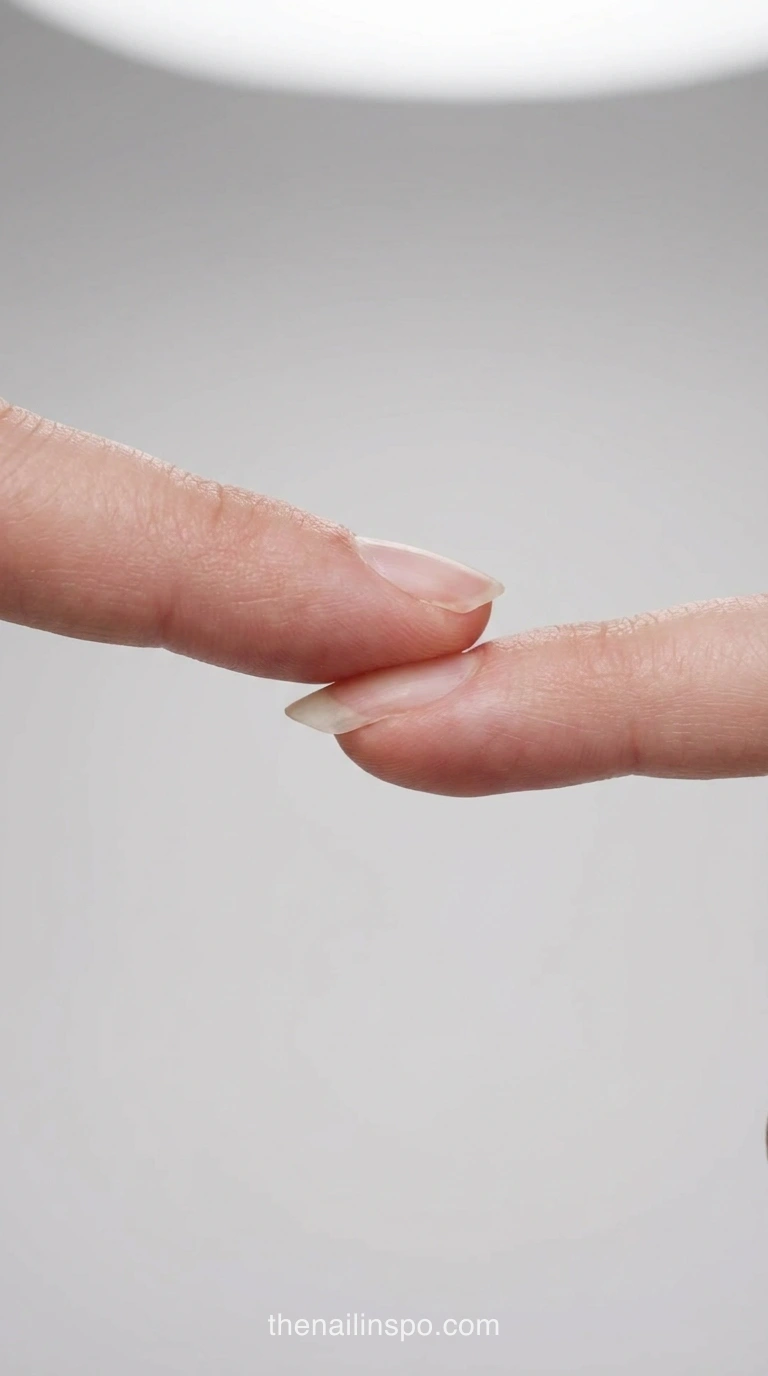
Your nails qualify for dip if they pass at least four of these five checks. Miss two or more and plain dip is a gamble; use a flexible base underneath or pick gel.
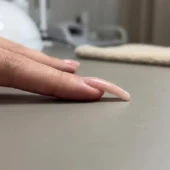
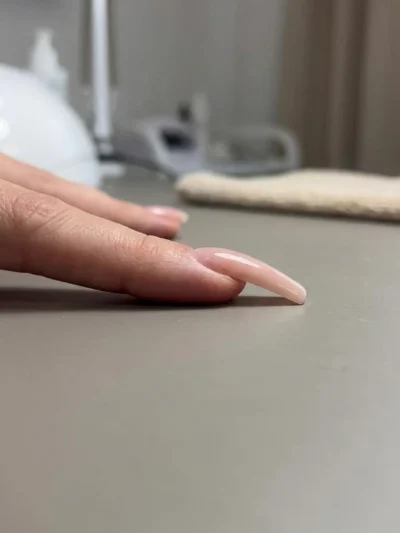
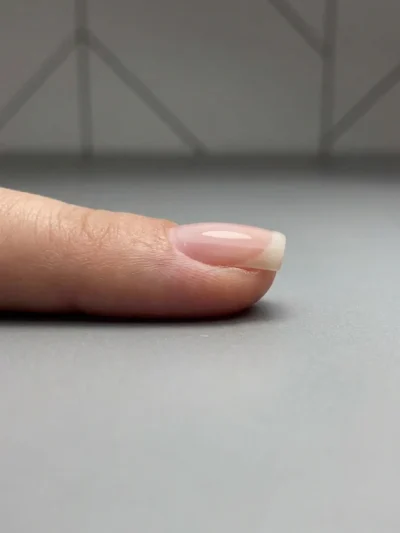
- Press test: push the free edge down. If it holds its shape, pass. If it folds past flat, fail.
- No active peeling: dip seals over flaking layers but won’t hold them together.
- Fully attached: no white gap growing between nail and bed.
- Dry hands: no long soaks or dishwashing right before the appointment.
- Soak-off removal: you’ll insist the set comes off by soaking, not by drill alone.
Is Dip Powder Good for Weak Nails at All?
Dip is good at one job: making a weak nail feel hard for a few weeks. That hardness is borrowed. When the coating comes off, the plate is as thin as before, minus whatever removal took. No enhancement makes nails stronger long term, and dip shouldn’t be sold as if it does.
Sort Your Nail Type Before You Book
Weak describes two different nails. Brittle nails are hard but chip and split; thin nails are soft and flex. Dipping powder for brittle nails is a reasonable match because nail and coating stay rigid together. A thin nail bends every time you type, and the shell on top doesn’t. If yours snap, try dip. If they bend, add a flexible base or choose gel. If both, count them as bendy.
 Read NextWhy Do Acrylic Nails Lift? 6 Secrets to Stop It Now
Nail Plate Thickness and Why Rigid Dip Fights Flex
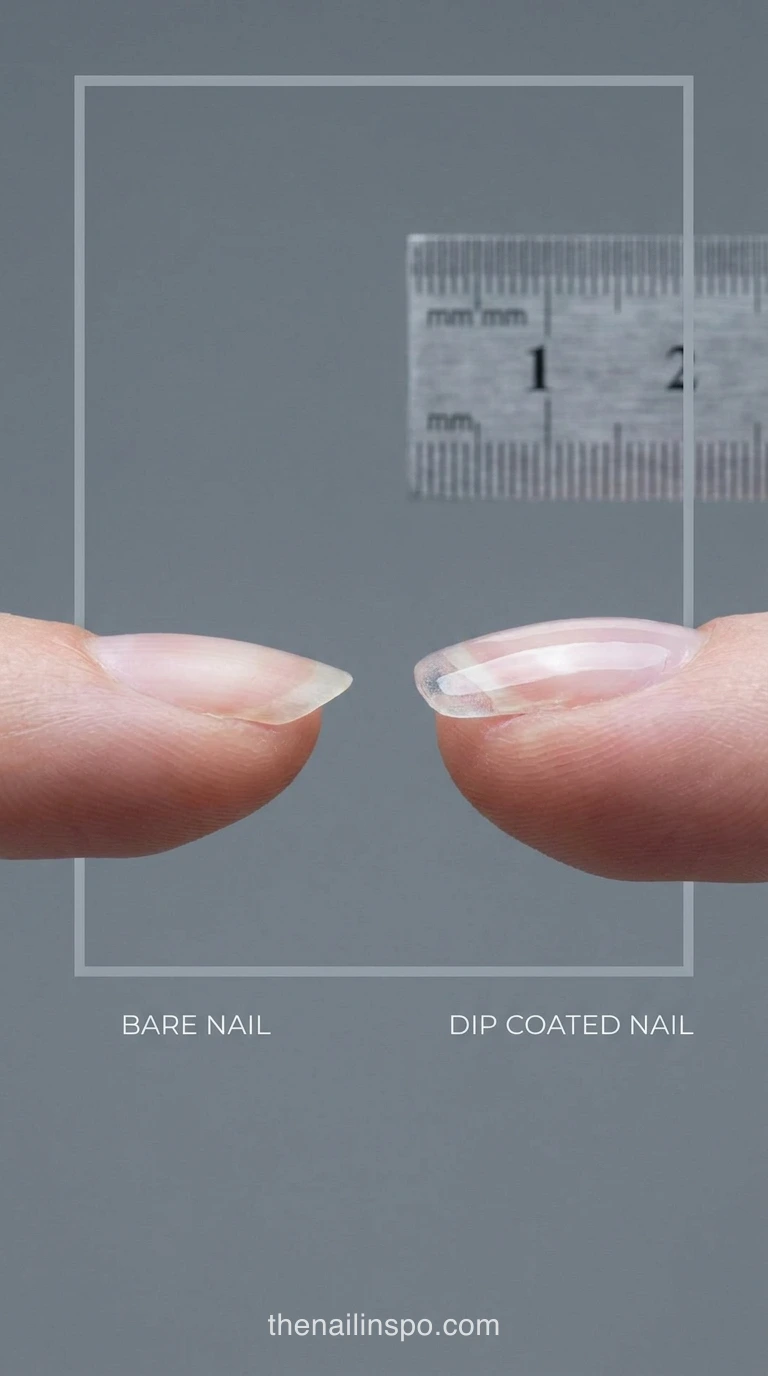
A natural fingernail plate measures about 0.35 to 0.60 mm near the cuticle and up to 1.10 mm toward the tip, and its protective outer (dorsal) layer is just 50 to 100 micrometers of that. Cured dip on top is far stiffer than that plate can follow.
The cyanoacrylate dip activator hardens the system, setting base and powder into an ethyl cyanoacrylate layer (the same family as instant glue) with an elastic modulus above 3.0 GPa. A thin plate flexes under everyday load; that layer resists, so stress gathers at the free edge and sidewalls, where the bond usually gives first. I’m skeptical of “flexible dip” marketing that never explains how it changes this chemistry.
Dip Powder Lifting After Showers and Dishes
A lot of dip powder lifting starts in the sink. Natural nails held underwater for more than about 60 seconds can go from roughly 15% to 30% moisture content, and the swollen cells slip against each other, weakening adhesion. That’s why I prep dry. Gloves for dishes do more for retention than switching powder brands.
The Vitamin-Infused Powder Myth
Powders sold with calcium or vitamin blends can’t feed a nail. The plate is dead, compacted keratin that doesn’t absorb nutrients in any useful way, and anything mixed into the powder ends up locked inside cross-linked plastic once it cures. Judge powders on how thin they build and how cleanly they file.
Dip Powder vs Gel for Weak Nails: Which Holds Up
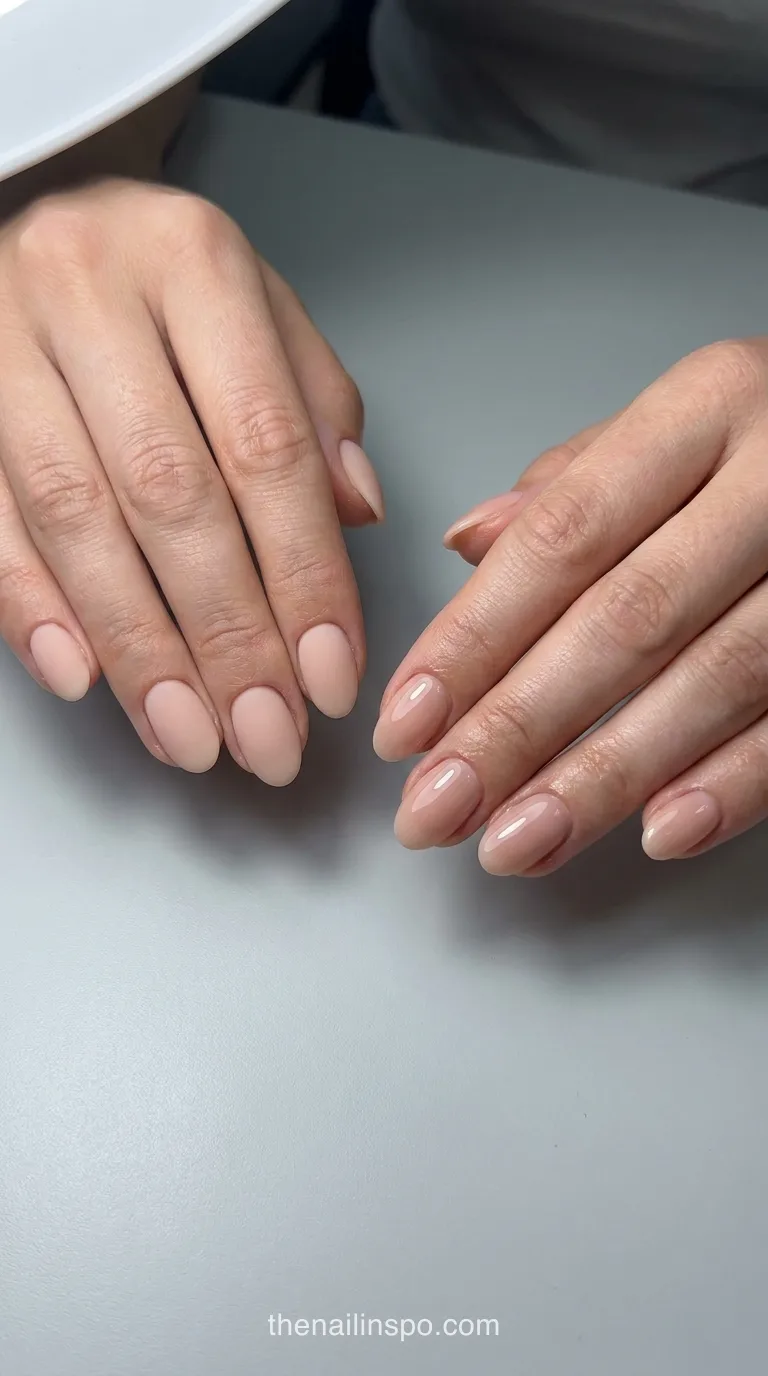
On thin, bendy nails, a flexible gel system outlasts dip applied straight to the nail, and dip over a rubber base comes close to gel. On rigid, splitting nails, plain dip holds fine.
| Option | On a thin, bendy nail | Removal risk | Verdict |
|---|---|---|---|
| Dip straight on the nail | A stiff shell on a flexible plate, so the edges lift early. | Moderate: fine soaked off, risky drilled fast. | Only for rigid, brittle nails. |
| Dip over a rubber base | The base absorbs some bend before it reaches the dip. | Moderate: light filing plus a soak. | Best dip option for bendy nails. |
| Builder gel (BIAB-style) | More give than dip, and it can be built up at the stress point. | Lower with infills, higher if drilled off each visit. | Strong pick if you’ll commit to infills. |
| Soft gel polish over a rubber base | Thin and flexible, but adds little rigidity. | Low with a proper soak-off. | Fine when you mainly want color. |
My unpopular take: plain dip on bendy nails shouldn’t be offered at all. It looks perfect at pickup, then the client blames the powder when the edges lift. For the gel route, our liquid gel nails guide goes deeper.
How Long Does Dip Last on Weak Nails?
On flexible nails, dip applied directly often lasts under a week before the edges lift. With a flexible UV/LED rubber base underneath, wearers commonly report three to four weeks. That’s user and technician feedback, not lab testing.
2026 Salon Cost: US, UK and Dubai
A professional dip manicure on natural nails runs about $45 to $65 in the US, £30 to £45 in the UK and AED 90 to AED 250 in Dubai, with 45- to 75-minute appointments. Ask whether the flexible base is included or charged extra; salons price it differently.
Sophia Beed’s note: Ask how removal is done when you book. If dip removal costs next to nothing and takes almost no time, it’s usually an e-file taking everything down to the plate.
 Read NextHard Gel vs Acrylic: Which One Is Best for You?
Rubber Base Under Dip Powder: A Safer Application
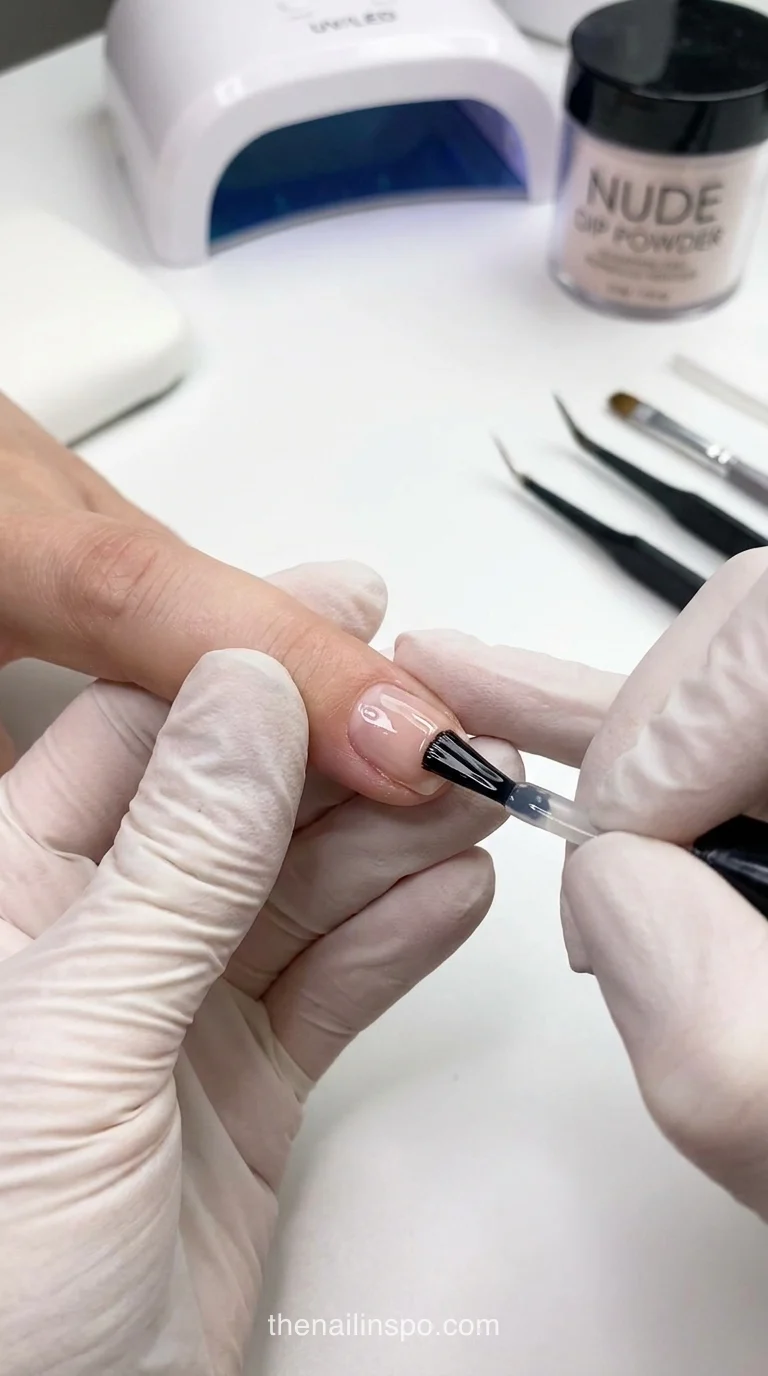
A thin, cured rubber base under the dip gives a bendy nail a flexible cushion between plate and powder. It needs a UV/LED lamp, so it’s a hybrid service, and it’s the version I’d book on weak nails.
Step 1: Prep dry
Push back the cuticle and lift dead tissue off the plate without soaking, because a water-swollen nail bonds poorly.
Step 2: Take off the shine, nothing more
Buff lightly with a 180-grit or finer buffer in one direction, then wipe with a nail dehydrator. You want a matte surface, not a thinner nail.
Step 3: Cure a thin rubber base
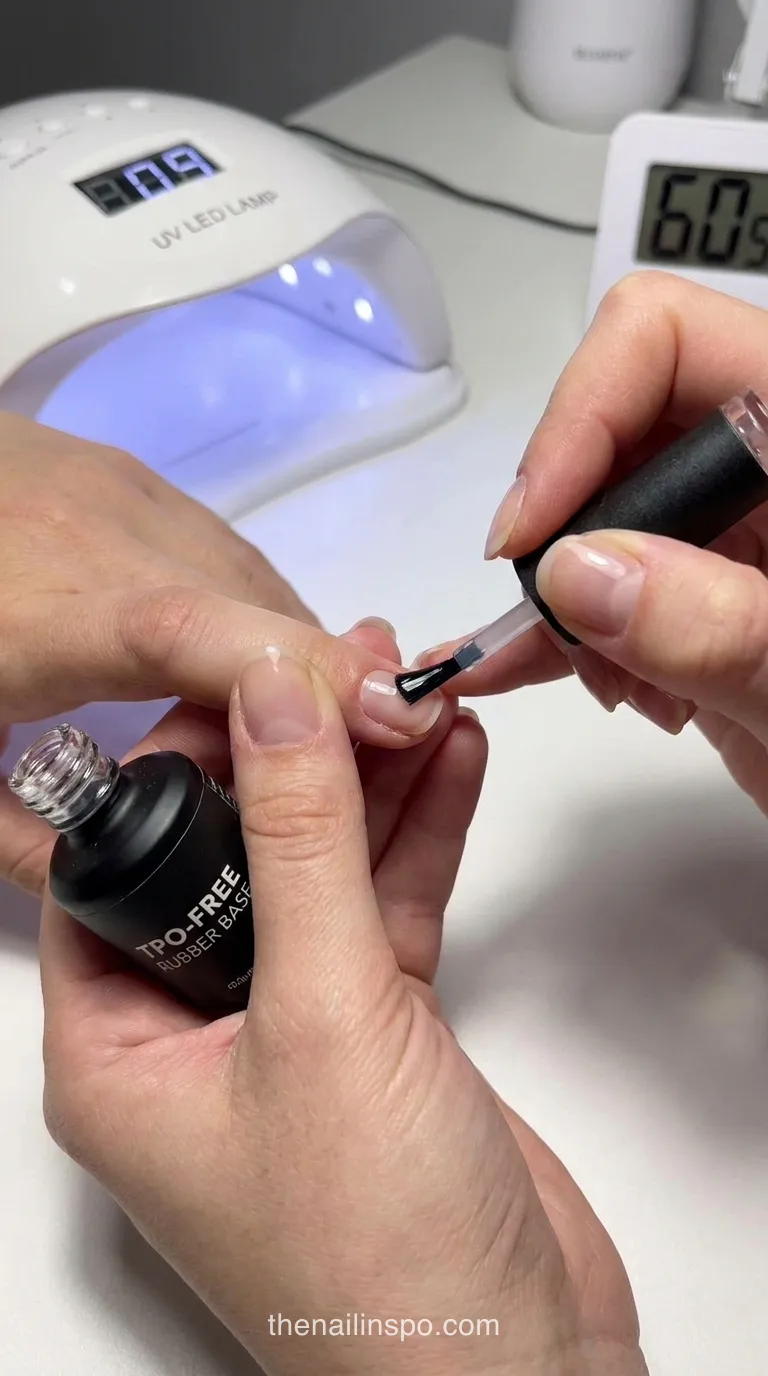
Brush on a thin layer of TPO-free rubber base, keep it off the skin, and cure for the time the brand specifies.
Step 4: Build the dip in thin layers
Apply dip base over the cured layer, dip or sprinkle the powder, and repeat only until the color is opaque. Two thin layers usually beat four thick ones.
Step 5: Activate, shape and seal
Apply the activator and let it set fully, file the shape with light pressure, then finish with the system’s own top coat.
TPO-Free Gel Base: What the EU Ban Changes
Since September 1, 2025, the EU has banned TPO (trimethylbenzoyl diphenylphosphine oxide), a photoinitiator widely used to cure gels, under Regulation (EU) 2025/877. It affects the gel base in this service, not the dip, which cures chemically rather than by light. I’m not aware of an equivalent US ban at publication, and UK rules don’t automatically mirror the EU’s, so check labels. I’d choose a TPO-free gel base anyway.
Dip Powder on Thin Nails: At-Home Mistakes
The biggest at-home mistake with dip powder on thin nails is building thick to compensate; extra layers add stiffness, not strength. Close behind: filing the bare nail hard to “help it stick,” and dipping right after washing up. Worst is peeling off a lifted nail, which takes plate layers with it.
 Read NextNail Apex Placement: 6 Best Steps for the Perfect Set
Does Dip Powder Damage Your Nails or Does Removal?
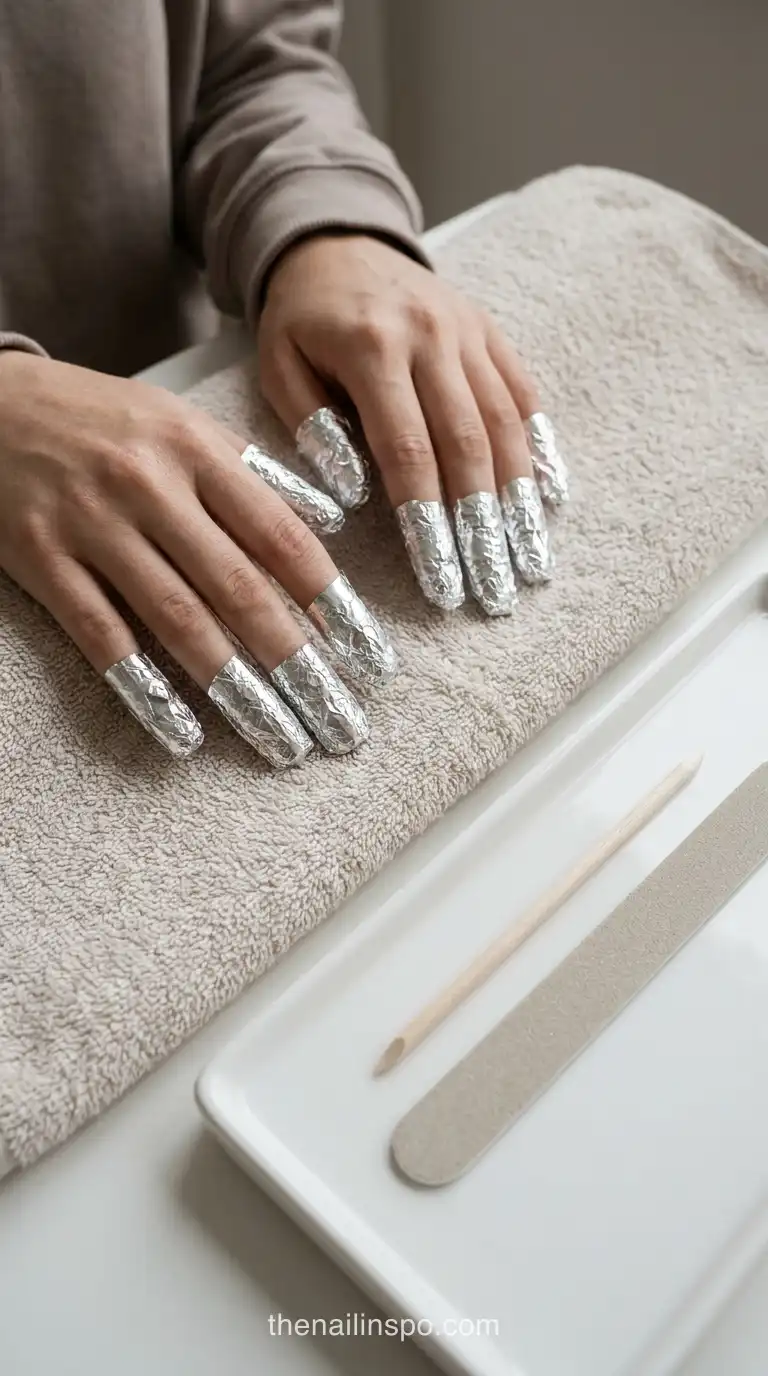
The dip chemistry is rarely what thins the nail. Technicians widely report that post-dip weakness comes mainly from removal, specifically rotary e-files used to strip the coating fast, cutting into the nail’s protective outer layer. I’d rather see a client in dip for a year with careful soak-offs than in any system drilled off in a rush.
Nails Thin After Dip Removal? Check the E-File
If your nails felt thin after dip removal, ask how the set came off. A carbide bit at speed reaches the natural plate quickly, and filed-through layers stay thin until they grow out. File off the top coat and most of the color, then soak the rest in acetone. Our guide on how to remove dip nails at home walks through the soak method.
When to Skip Dip and Let Nails Grow Out
Skip enhancements if a nail is separating from its bed or sore around the edges; that’s one for a dermatologist. Skip dip, too, while nails are paper-thin after a bad removal. Keep them short, since a short free edge bends less, and wear a thin flexible coat or nothing until new plate grows through.
Recommended for you- How to remove dip nails at home: the soak-off method that spares your nail’s outer layer.
- Liquid gel nails guide: a gel-based route if your nails failed the press test.
Frequently Asked Questions About Dip on Weak Nails
How long should I wait between dip sets?
There’s no required break. The idea that nails need to breathe doesn’t hold up, because the tissue that grows the nail is fed by blood, not air. Judge by condition: an intact, comfortable nail can take a new set, while a thinned or peeling one deserves a few weeks of growth first.
Can dip go over a nail that’s peeling at the tip?
Not until the peeling section is filed back or grown out. Dip bonds to the top layer it touches, so if that layer is already separating from the ones beneath, the coating leaves with it. File back to solid nail first.
Is dip a good option for nail biters?
It can help, since a hard coating is less satisfying to chew. But bitten nails are usually short, leaving little surface to bond to and plenty of exposed edge. Expect more chips early on, and keep the length short and even so there’s no corner to start on.
Can I switch from dip to gel without a full removal?
Most systems aren’t designed to be stacked, and gel over cured dip makes the next removal harder on the plate. Soak the dip off fully, then apply gel to the bare, prepped nail. If the plate looks thin afterward, a flexible base is gentler than a thick builder.
If you book dip this year, ask two questions at the desk: what goes under the powder, and how will it come off. A salon that answers both without hesitating is unlikely to thin your nails. If yours failed the press test, try one rubber-base set and check the edges at week three before committing.
Comments (0)
No comments yet. Leave a thought below!