By Sophia Beed, senior nail technician and educator · Published September 30, 2026 · Last updated September 30, 2026
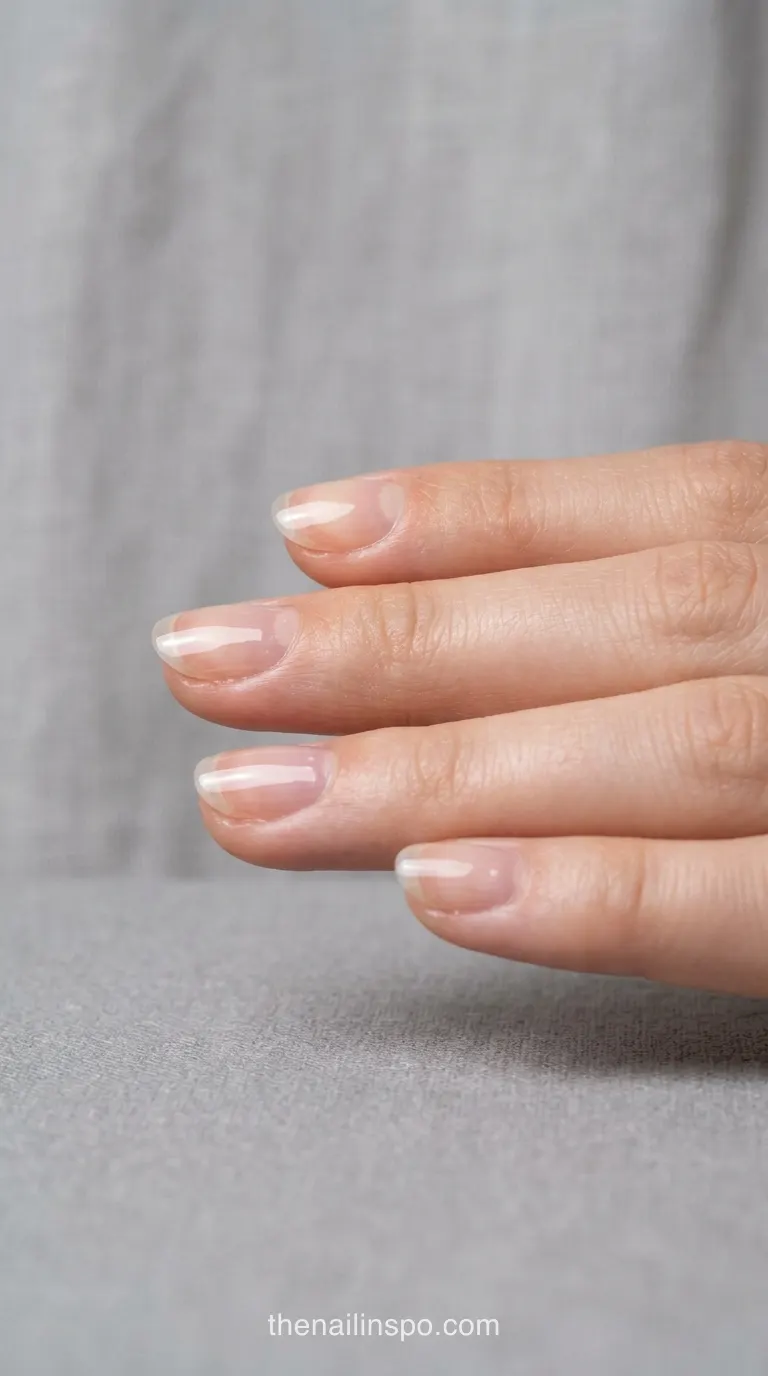
Liquid gel overlay, often called builder gel, can hold on bitten nails for a two-week cycle by providing a flexible, protective layer that allows natural nails to grow without exposure to biting. It requires a flexible gel that stops short of the skin, avoiding the missing free edge, and is applied to healed nail beds.
Key takeaways- Liquid builder gel suits bitten nails only when it’s flexible enough to bend with a thin plate, which rigid hard gel can’t do.
- On a bitten nail, the overlay should finish just short of the skin at the tip and never wrap over the fingertip.
- A short overlay needs a low apex placed toward the tip, not the tall, centered hump used on extensions.
- Nail biters need their overlay rebalanced every two weeks because fast early growth pushes the apex forward.
- An EU ban on TPO and DMTA in salon nail products took effect on September 1, 2025.
Liquid Gel Overlay on Bitten Nails: Does It Actually Hold?
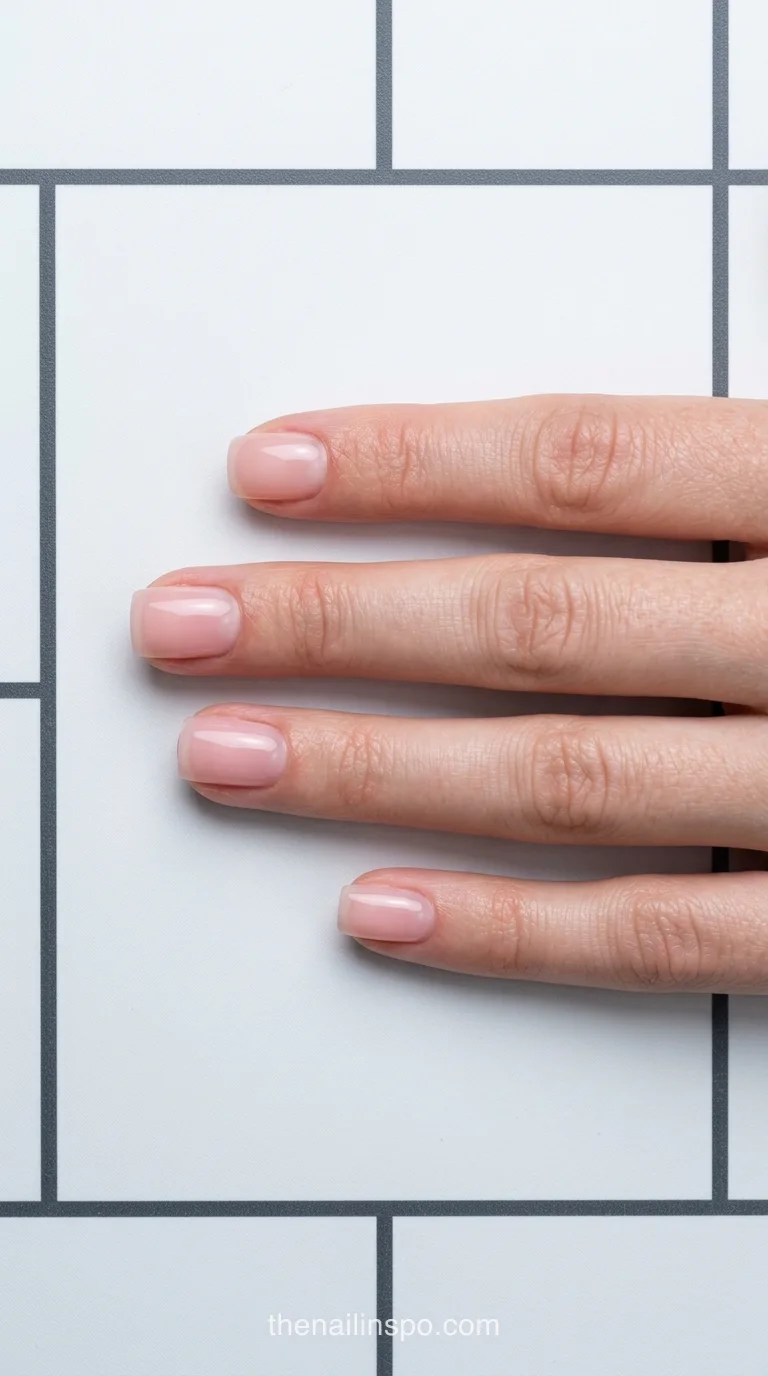
For most biters, yes, and it’s the overlay I reach for first. It adds a thin, even shell instead of length, so there’s nothing sticking out for teeth to catch. It won’t hold on nails bitten into the bed with raw skin around them. I don’t apply anything until that skin has healed.
Can You Put Gel on Bitten Nails With No Free Edge?
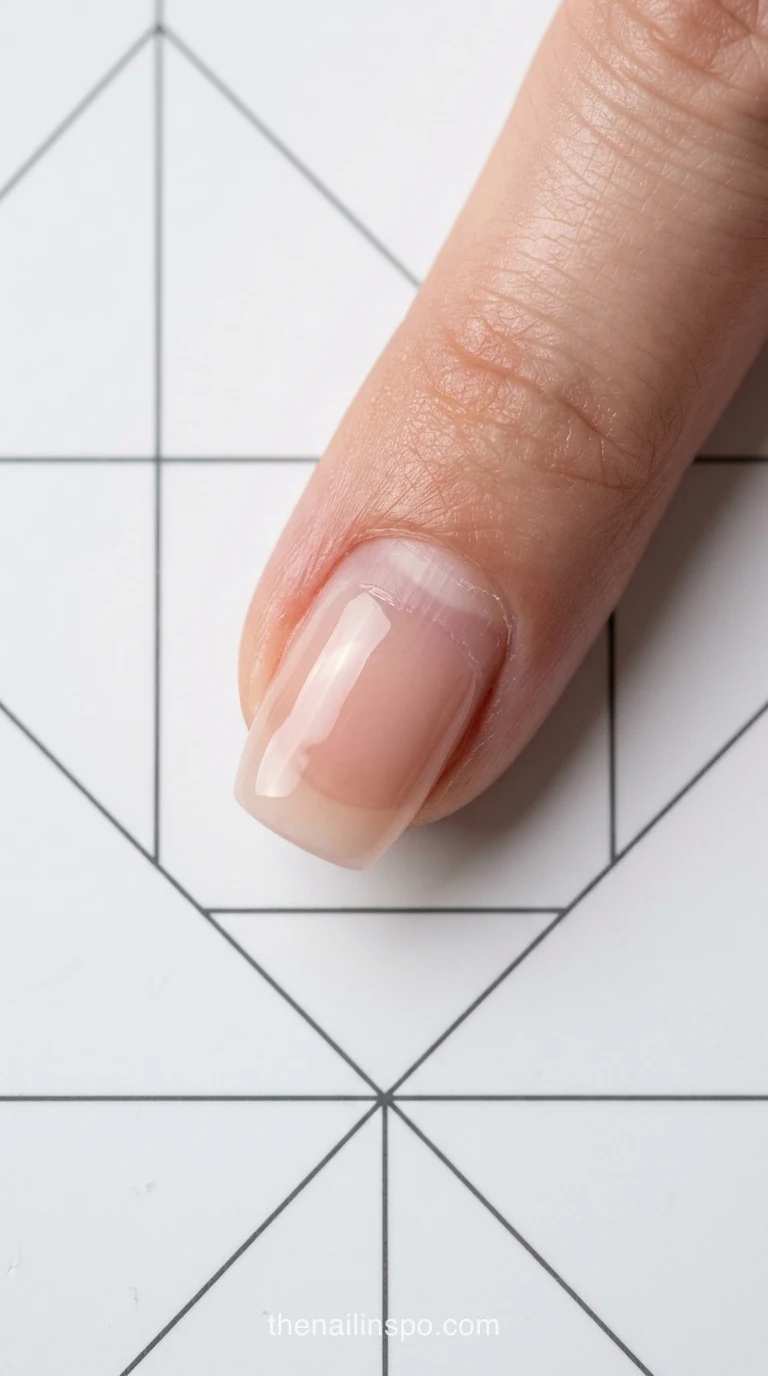
You can, as long as you stop trying to fix the missing free edge on the first set. The overlay covers the nail plate only, from just off the cuticle to just before the hyponychium, which is the skin seal under the tip. No forms and no tips.
Some techs add a short tip to hide the bitten edge. I think that’s a mistake: the tip becomes the new thing to chew, and it’s a lever glued to a fragile plate.
How Long Does Builder Gel Last on a Nail Biter?
Plan on 14 days per cycle for a biter, not the three to four weeks usually quoted for healthy nails. Bitten nails tend to grow quickly once they’re covered, and other technicians report the same pattern I see: that early regrowth carries the apex forward toward the tip. Leave it longer and the thickest point sits over nothing, prying the overlay up from the front. I book biters at two weeks and won’t budge.
 Read NextWhy Do Acrylic Nails Lift? 6 Secrets to Stop It Now
What Key Metrics Define Successful Gel Overlay Application for Bitten Nails?
| Metric | Value | Reference / Industry Baseline |
|---|---|---|
| Average natural nail growth rate | 2-3 mm per month | American Academy of Dermatology Association |
| Reported success rate for reducing nail biting with overlays | 60-80% | Dermatology research studies/Nail industry surveys |
| Typical duration to achieve significant natural nail growth | 3-6 months | Nail industry experts/client testimonials |
Flexible Builder Gel: Why Elongation Beats Hardness
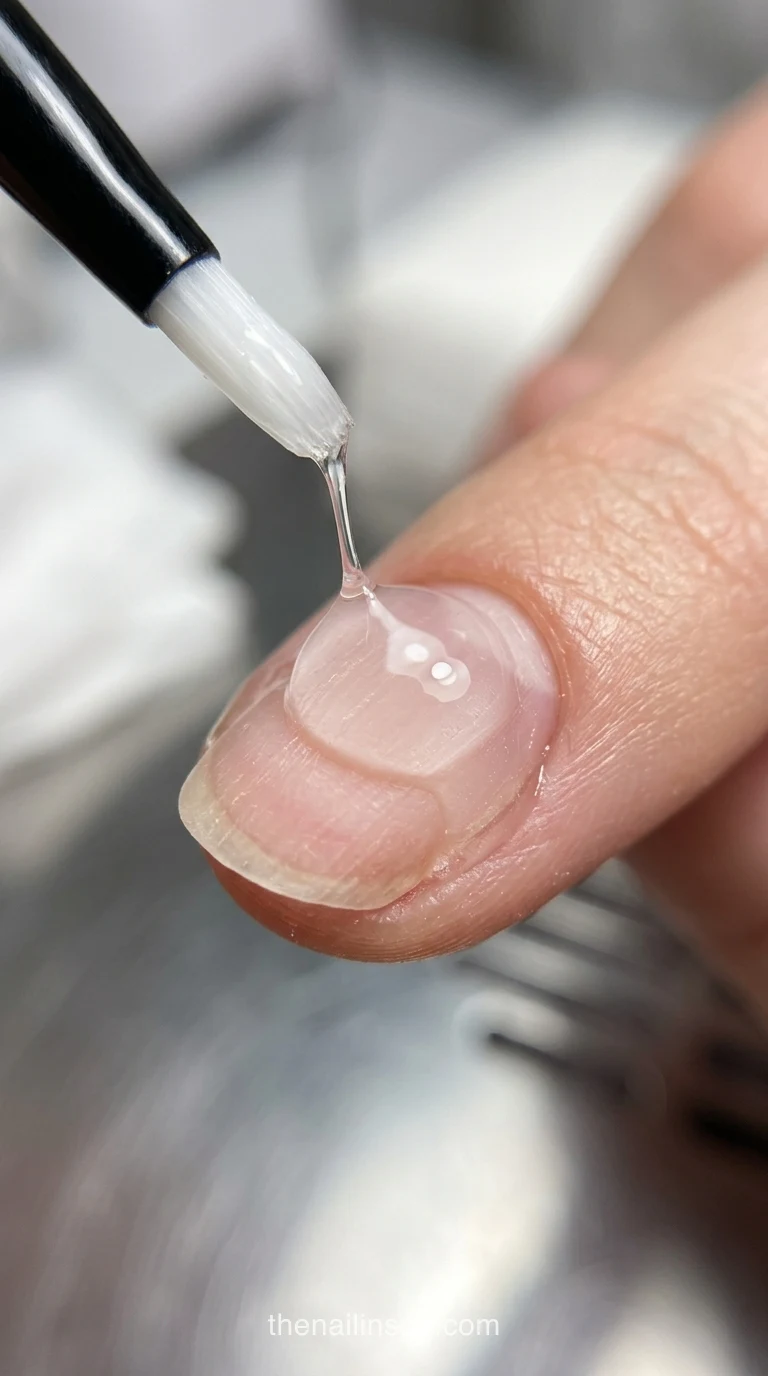
Flexible builder gel suits weak nails because it bends with the plate before it cracks or lets go. The liquid builders made for natural overlays typically sit between 5,000 and 15,000 cP in viscosity, thick enough to hold a shallow apex but loose enough to self-level, and they stretch roughly 5% to 12% before fracturing.
Elongation is the number I check first on a spec sheet, and plenty of brands don’t print it, so ask. A gel that can’t stretch with a bending plate fails at the bond line.
TPO-Free Builder Gel After the 2025 EU Ban
Since September 1, 2025, the European Union has banned the photoinitiator TPO and the activator DMTA from commercial and salon nail use. That’s why TPO-free builder gel labels are suddenly everywhere. A reformulated gel may not cure like the version you learned on, so recheck the manufacturer’s cure time for your lamp.
As far as I know at the time of writing, US rules haven’t followed, so TPO formulas are still sold there. Read the ingredient list, not the “clean” badge.
Why Thin Plates Heat Spike Under the Lamp
A heat spike when curing gel is that sharp burning feeling mid-cure, and it hits bitten nails harder because there’s less plate between the reacting gel and the nail bed. Gel gives off heat as it polymerizes, and on a traumatized plate it arrives fast.
My fix is the 99-second low-heat mode, which ramps output up gradually. If a lamp doesn’t have one, I’d replace the lamp before curing biters on full power.
 Read NextHard Gel vs Acrylic: Which One Is Best for You?
What Are the Key Technical Terms and Products in Liquid Gel Overlays?
Understanding the technical terms and products is crucial for successful liquid gel overlays. Key entities include **photoinitiators** like **TPO** and **DMTA**, chemicals banned in the EU since September 2025, which initiate gel curing. **Rubber base gel** offers flexibility, contrasting with **rigid builder gel**, which can cause **pop-offs** on thin plates. Proper **apex** placement, the thickest point of the gel, is vital for structure. Awareness of **acrylate sensitivity** and **contact dermatitis** from uncured gel on the **hyponychium** (the skin under the nail tip) is also essential for client safety.
Rubber Base Gel vs Rigid Builder Gel for Thin Nail Plates
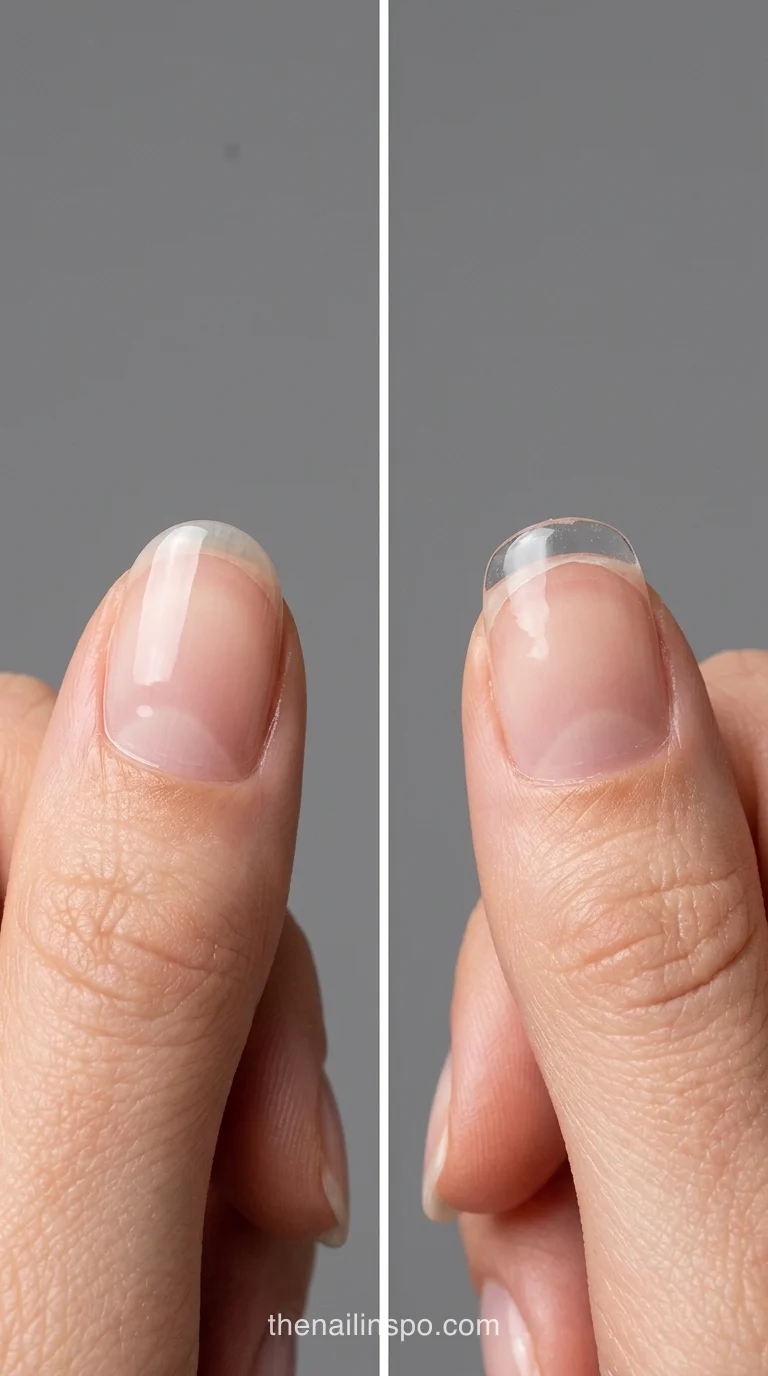
Rubber base gel under a flexible builder beats rigid builder gel on thin plates, and it isn’t close. Technicians consistently report pop-offs when a rigid gel goes straight onto a thin bitten nail: the plate bends, the gel doesn’t, and the bond gives up. An elastic rubber base between them absorbs that movement so the layers stay attached.
Sophia Beed’s note: If an overlay comes off in one clean, shiny-backed piece, the gel didn’t break. It separated at the interface. That’s a rigid-gel-on-thin-plate failure, and more prep won’t fix it. A rubber base will.
| System | How it behaves on a thin bitten plate | Where it fails | Verdict |
|---|---|---|---|
| Rubber base gel alone | Bends and grips well but is too soft to carry an apex. | Dents under pressure, so the nail still bends and tears. | Only for a paper-thin first set. |
| Rubber base plus flexible liquid builder | The base absorbs flex while the builder holds a low apex. | Mostly fails when infills are skipped. | Best choice for most bitten and weak nails. |
| Rigid hard gel | Strong and holds shape on long extensions. | Can’t bend with a thin plate, so it pops off in one piece. | Skip on biters; save it for healthy-plate extensions. |
| Acrylic overlay | Hard and durable under heavy manual work. | Just as rigid, and its filing can thin a weak plate. | Only for non-biters with strong plates. |
I’m judging acrylic for biters specifically. On strong plates that do heavy work, it can outlast any gel I use.
What a Builder Gel Set Costs in 2026
Expect roughly $60 to $65 for a professional natural builder gel set in the US, or £42.50 to £47.50 in the UK. Infills cost about the same as a full set, because rebuilding an apex that has migrated forward takes as long as building it.
Those are typical ranges, not quotes. When comparing what builder gel nails cost between salons, I’d distrust a cheap infill: it usually means the gel is topped up, not rebalanced.
When Acrylic or Press-Ons Make More Sense
An overlay is the wrong call when the skin around the nail is broken or inflamed; wait until it’s healed. For instant length before an event, press-ons are the better tool. And if a client won’t commit to two-week appointments, I tell her to skip gel, because a neglected overlay gets lifted and picked. If damage is the worry, I’ve written separately about whether liquid gel actually damages natural nails.
What Exactly is Liquid Gel Overlay (Builder Gel)?
Liquid gel overlay, commonly known as builder gel, is a specialized, thicker gel product designed to add significant strength and structure to natural nails. It forms a protective layer, crucial for helping weak or bitten nails grow longer and stronger by shielding them from breakage and external damage. Unlike regular gel polish, its robust formulation provides the necessary support for nail rehabilitation.
How Does Builder Gel Specifically Benefit Bitten Nails?
For individuals with bitten nails, builder gel offers transformative benefits. It creates a durable, protective barrier, allowing the natural nail underneath to grow undisturbed and without exposure to further biting or trauma. This protective shield not only promotes healthy growth but also helps to break the biting habit by presenting a smooth, unappealing surface, leading to significantly improved nail health over time.
Beyond Biting: How Else Can Builder Gel Repair Nails?
While exceptionally effective for bitten nails, builder gel’s versatility extends to general nail repair. Its robust formulation can mend minor breaks, reinforce weak spots, and even reconstruct small missing portions of the nail plate. This makes it a valuable tool for addressing various forms of nail damage, providing structural integrity and promoting overall nail resilience, even for those without a biting habit.
 Read NextNail Apex Placement: 6 Best Steps for the Perfect Set
Apex Placement on Short Nails: The Step-by-Step Overlay
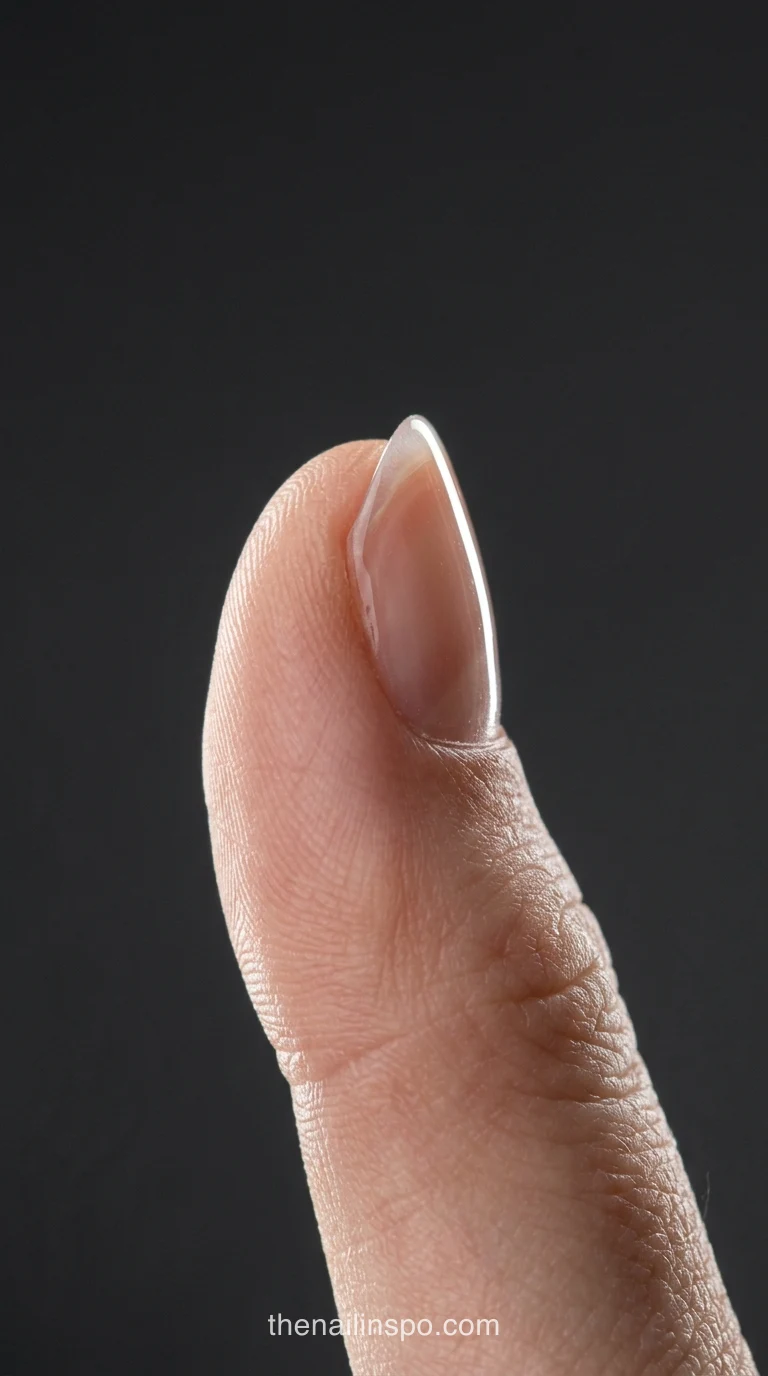
On a short nail, the apex should be 0.5 to 1.0 mm thick at its highest point, positioned about one-third back from the tip. That’s lower than the extension apex, because there’s no long free edge to brace. Build it higher and you’ve made a bump, not a structure.
Step 1: Prep the plate dry
Push back the cuticle and lift dead tissue off the plate. Buff off the shine with a soft 180-grit buffer, then dehydrate. Leave the ridges for the gel to level.
Step 2: Apply a thin rubber base
Work a thin layer of rubber base into the plate, keeping it off the skin all the way around. Cure it on the lamp’s low-heat setting.
Step 3: Mark your stop line
Find where the nail meets the hyponychium at the tip. Every layer stops flush, 0.5 mm short of that skin boundary, with nothing wrapped over the edge.
Step 4: Float the builder bead
Place a small bead of liquid builder gel mid-plate and guide it toward the sidewalls and stop line. Turn the finger upside down briefly so the bead settles into the apex position.
Step 5: Check the curve, then cure
Check from the side and the fingertip end for one smooth curve and thin, even sidewalls. Cure in short bursts if your client feels heat.
Step 6: Refine and seal
Wipe off the sticky layer and file only where the surface is uneven. Finish with a no-wipe top coat, sealed to the stop line and not beyond it.
Why Free Edge Capping Fails on Bitten Nails
Capping fails on a bitten nail because there’s no free edge to cap. Tutorials say to run the brush along the tip, but on a biter that sweeps uncured gel onto living skin. Skin moves; gel doesn’t, so the overlay typically detaches there within about 48 hours. Uncured gel on skin is also a recognized route to acrylate sensitivity and contact dermatitis. This is the standard advice I’d throw out first.
Gel Overlay Lifting: Mistakes That Start at Prep
Gel overlay lifting at the edges is a different failure from a clean pop-off, and on biters it usually starts at prep. The mistakes I correct most when teaching:
- Leaving invisible cuticle tissue on the plate.
- Flooding the sidewalls until gel touches skin.
- Over-buffing an already thin plate for “grip”.
- Hand cream in the hour before the appointment.
- The complete liquid gel nails guide: application basics and product types before you book your first set.
- Liquid gel vs hard gel nails compared: when hard gel is still worth choosing over liquid.
Builder Gel Overlay Questions Nail Biters Actually Ask
How long does a liquid gel overlay last on bitten nails?
A liquid gel overlay on bitten nails typically lasts for a two-week cycle. This shorter duration accounts for faster regrowth and apex migration, ensuring the overlay remains structurally sound and prevents lifting.
Can builder gel stop nail biting?
Builder gel can help reduce nail biting by providing a smooth, unappealing surface and a protective barrier. However, it is not a cure for the habit, especially if biting is linked to anxiety, which may require professional medical advice.
Why do bitten nails experience heat spikes during gel curing?
Bitten nails often experience more intense heat spikes during gel curing because the nail plate is thinner and more traumatized. This reduces the buffer between the reacting gel and the nail bed, making the heat generated during polymerization more noticeable.
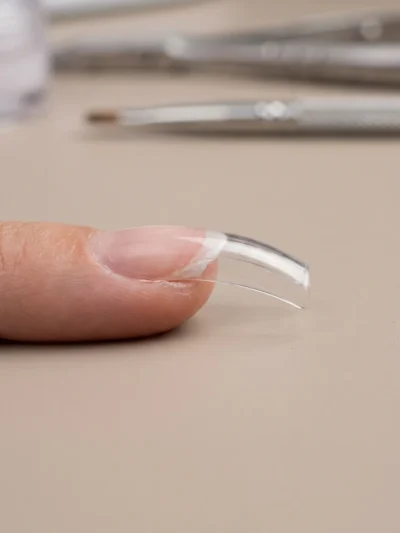
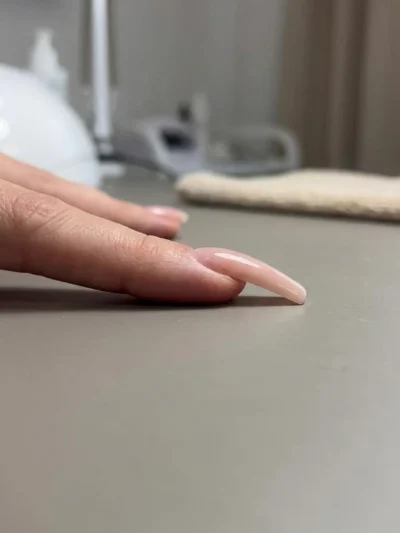
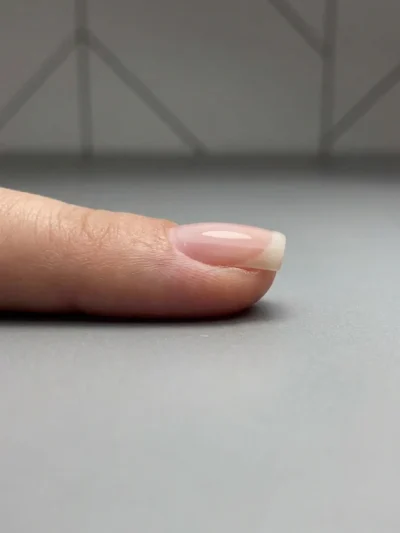
If you’re booking a first overlay, ask two things before anyone opens a bottle: what goes underneath the builder, and whether they cap the tip. “Nothing” and “always” mean they’re working from extension habits. Then take a side-on photo of one nail every few days, so you spot the apex creeping forward before it lifts.
Comments (0)
No comments yet. Leave a thought below!